
Quick answer
Wear lightweight, neutral-toned layers in breathable natural fabrics. Start with long sleeves and trousers to protect against morning cold, insects, and sun exposure. Add a wide-brimmed hat, polarized sunglasses, and closed-toe shoes with good grip. Avoid bright colors and dark blues—muted khaki, olive, and tan work best in Chobe's dust and help you blend into the environment without startling wildlife.
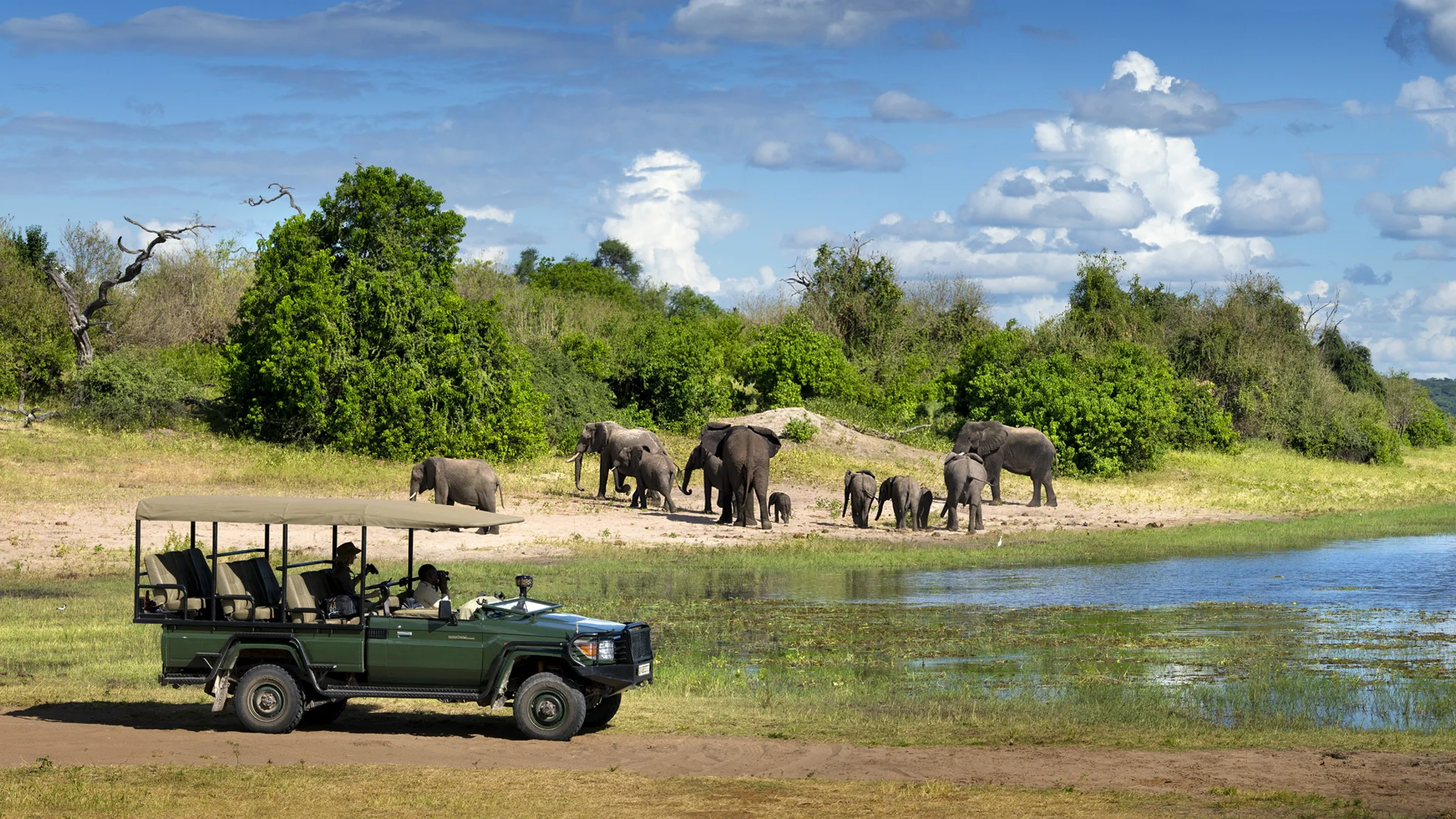
Chobe holds one of Africa's highest concentrations of elephants—over 50,000 animals move through the park seasonally—and your clothing will face dust, sun, and the abrasive texture of open-vehicle game drives that begin before dawn. Safari clothing for Botswana answers two challenges: thermal range and practicality. Mornings demand insulation, especially between May and August when temperatures drop to single digits before sunrise. A fleece mid-layer and windproof outer shell keep you functional during the first hour of a drive, when the air is still and cold settles in open vehicles. By 09:00 the sun is direct and unfiltered, and you will strip down to a single breathable layer. Cotton holds moisture and dries slowly; technical fabrics or merino wool regulate temperature better and resist the fine Kalahari dust that coats everything by mid-morning. Neutral tones—khaki, olive, beige, light gray—serve a functional purpose beyond aesthetics. Chobe's elephants, lions, and leopards rely on movement and silhouette to identify threats. Bright colors and high-contrast patterns draw attention; muted earth tones let you observe without disrupting behavior. Dark blue and black attract tsetse flies, which are present near the Chobe River and deliver painful bites through thin fabric. Sun protection becomes non-negotiable after 10:00. A wide-brimmed hat shields your face and neck; a buff or lightweight scarf covers gaps the hat misses. Polarized sunglasses reduce glare from the river and cut through midday haze, sharpening your view of animals on the opposite bank. Closed-toe shoes with ankle support and grip protect against uneven terrain during rest stops and prevent dust from settling between your toes. The best safari outfit is one you forget you are wearing. It keeps you warm when the sun is low, cool when it climbs, and covered when insects are active. Plan your wardrobe around layers you can adjust without thought, fabrics that dry quickly, and colors that let the landscape—not your silhouette—hold the attention.
“The best safari outfit is one you forget you are wearing.”
Essential Packing List: What To Wear On Safari In Botswana
Pack smart for the open-vehicle game drives and varying conditions across Chobe's terrain.
-
Pack lightweight, breathable long-sleeved shirts — Long sleeves protect from sun and insects during extended game drives.
-
Bring neutral-colored clothing in khaki or olive — Neutral tones help you blend into the environment without disturbing wildlife.
-
Include a wide-brimmed hat and sunglasses — Essential protection against intense sun exposure in open safari vehicles.
-
Pack a lightweight jacket or fleece layer — Early morning drives starting at 05:30 can be surprisingly cool before temperatures rise.
-
Bring closed-toe walking shoes or boots — Sturdy footwear protects against dust, thorns, and uneven terrain during bush walks.
-
Include a buff or scarf for dust — Dry season conditions create significant dust on game drive routes.
-
Pack high-SPF sunscreen and lip balm — Prolonged sun exposure in open vehicles requires reapplication throughout the day.
Seasonal Considerations For What To Wear On Safari In Botswana
The optimal window for visiting Chobe National Park is the dry season from May to October, when receding water sources concentrate wildlife along the riverfront. This period demands a layered clothing approach to navigate the significant temperature shift between chilly early mornings and warm afternoons.
May to July
ModerateCool mornings (10°C) to warm days (25°C).
Crisp air requires thermal layers that can be removed as temperatures rise during the day.
August to October
PeakHot days (30°C+) with dry, dusty conditions.
Lightweight, breathable fabrics are essential to manage the heat while maintaining sun protection.
November to April
LowHumid and rainy (25°C to 35°C).
Frequent rain showers necessitate moisture-wicking materials and light waterproof outer layers.
Verdict: The best time to visit is during the dry season months of May through October, prioritizing the best arrival window of 05:30–09:00 to balance animal activity with manageable thermal comfort.
Clothing Rules And Etiquette: What To Wear On Safari In Botswana
Clothing choices in Chobe directly affect wildlife encounters and personal comfort. Neutral tones help you blend into the environment, while bright colors and white can alert animals and attract insects.
Do
- Wear neutral colors like khaki, beige, olive, and tan
- Layer lightweight long sleeves for sun and insect protection
- Choose breathable, moisture-wicking fabrics for the heat
- Wear a wide-brimmed hat in natural tones
Don't
- Don't wear bright colors like red, orange, or yellow
- Avoid white clothing that reflects light and attracts insects
- Don't wear camouflage patterns—restricted in some African countries
- Skip dark blue and black which attract tsetse flies
Chobe National Park Opening Hours For Your Safari
Chobe National Park operates on a consistent daily schedule throughout the year. Planning your arrival within the recommended window helps optimize your wildlife viewing experience.
| Monday | 05:30–19:00 | |
|---|---|---|
| Tuesday | 05:30–19:00 | |
| Wednesday | 05:30–19:00 | |
| Thursday | 05:30–19:00 | |
| Friday | 05:30–19:00 | |
| Saturday | 05:30–19:00 | |
| Sunday | 05:30–19:00 |
Check availability
Safari Preparation: Frequently Asked Questions
Everything you need to know about what to wear on safari in botswana