
Quick answer
Yes—Botswana ranks among the world's premier safari destinations, and Chobe National Park specifically offers the highest concentration of elephants on the continent, with an estimated 50,000 individuals in the greater ecosystem. The park supports year-round wildlife viewing, with dry-season months (May through October) concentrating game along the Chobe River. Visitors encounter lion, leopard, buffalo, and over 450 bird species across four distinct ecological zones, all within a national conservation framework that caps visitor numbers and prohibits off-road driving.
Chobe National Park recorded its first protective designation in 1960 as a game reserve, achieving full national-park status in 1968 as Botswana's inaugural protected area. The park extends along the northern border with Namibia, Zambia, and Zimbabwe, forming the core of the Kavango-Zambezi Transfrontier Conservation Area—the world's largest terrestrial conservation complex. The question of whether is Botswana good for safari turns on three measurable factors: wildlife biomass, habitat integrity, and visitor experience design. Chobe delivers on all three. The Chobe Riverfront—the park's most-visited sector—supports the continent's densest population of African elephants, with herds numbering in the hundreds congregating at the water's edge during the dry season. The Savuti Marsh, 180 kilometers west, attracts predator concentrations that rival the Serengeti, with resident lion prides, spotted hyena clans, and seasonal zebra migrations. The Linyanti Swamps in the park's northwest corner remain roadless and accessible only by fly-in safari, preserving wilderness character that has vanished from more accessible reserves. Botswana's national tourism policy deliberately limits park infrastructure to minimize ecological impact. Chobe permits entry only through designated gates, enforces strict no-off-road rules, and requires all visitors to exit by 19:00. The conservation fee structure—270 Pula per international adult per day—funds anti-poaching patrols, veterinary units, and community-benefit programs in surrounding villages. Unlike reserves that prioritize volume, Chobe's regulatory model favors smaller group sizes and longer stays, creating a safari environment defined by space rather than crowding. Game drives in Chobe follow a different rhythm than East African parks. The riverfront's open floodplain offers unobstructed sightlines across several kilometers, with elephant breeding herds, buffalo, waterbuck, and Chobe bushbuck visible from the main track. Boat-based safaris along the river add a second viewing dimension, with hippo pods, Nile crocodiles, and fish eagles accessible from the water. Birdlife peaks during the wet season (November through March), when migrants from Eurasia join resident species, pushing the park's checklist past 460 recorded species. The park's four ecosystems—riverine forest along the Chobe, mopane woodland in Savuti, acacia scrub in the interior, and papyrus swamp in Linyanti—create habitat diversity that supports year-round game viewing. Dry-season concentrations rival any reserve on the continent, while wet-season dispersal offers solitude and dramatically lower visitation. For travelers weighing safari destinations, Chobe represents Botswana's conservation model at scale: high wildlife density, rigorous protection, and an experience shaped by ecological limits rather than market demand.
“Chobe permits entry only through designated gates, enforces strict no-off-road rules, and requires all visitors to exit by 19:00.”
When Is Botswana Good for Safari in Chobe National Park?
The dry season, spanning May through October, offers the most reliable wildlife viewing as animals congregate near the Chobe River. For daily game drives, the best arrival window is 05:30–09:00 to capitalize on peak animal activity before midday heat increases.
Dry Season (May–October)
Moderate to highCool to hot, 15°C–32°C
Sparse vegetation forces wildlife to remain near water sources, increasing visibility. Large herds of elephant are common during these months.
Green Season (November–April)
LowWarm and humid, 20°C–35°C
Periodic rainfall rejuvenates the landscape and triggers calving, though dense foliage can make spotting predators more challenging.
Early Morning Arrival
Low—
The period between 05:30 and 09:00 provides soft lighting for photography and ensures guests are in the field when animals are most active.
Verdict: For the highest probability of sightings, visit during the dry months of June through September and plan your daily arrival for 05:30–09:00.
Is Botswana Good for Safari Hours of Operation
Chobe National Park operates on a consistent schedule throughout the week to facilitate visitor access. The park remains open daily to accommodate safari planning.
| Monday | 05:30–19:00 | |
|---|---|---|
| Tuesday | 05:30–19:00 | |
| Wednesday | 05:30–19:00 | |
| Thursday | 05:30–19:00 | |
| Friday | 05:30–19:00 | |
| Saturday | 05:30–19:00 | |
| Sunday | 05:30–19:00 |
Is Botswana Good for Safari: Notable Areas in Chobe
Chobe National Park offers distinct ecological zones that support varied wildlife viewing experiences. These areas are accessible for those evaluating if the region meets their safari requirements.
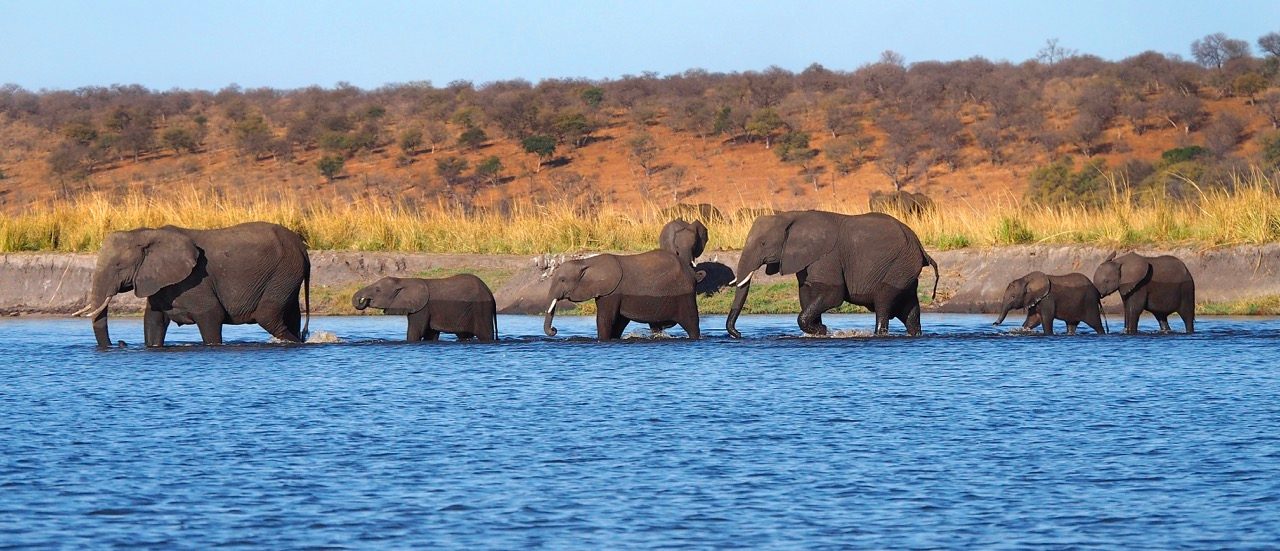
Chobe Riverfront
This area is defined by high concentrations of elephants and buffalo that gather along the water. Visitors frequently observe large herds crossing the river channel during the day.
View from a boat to see elephants wading near the banks.
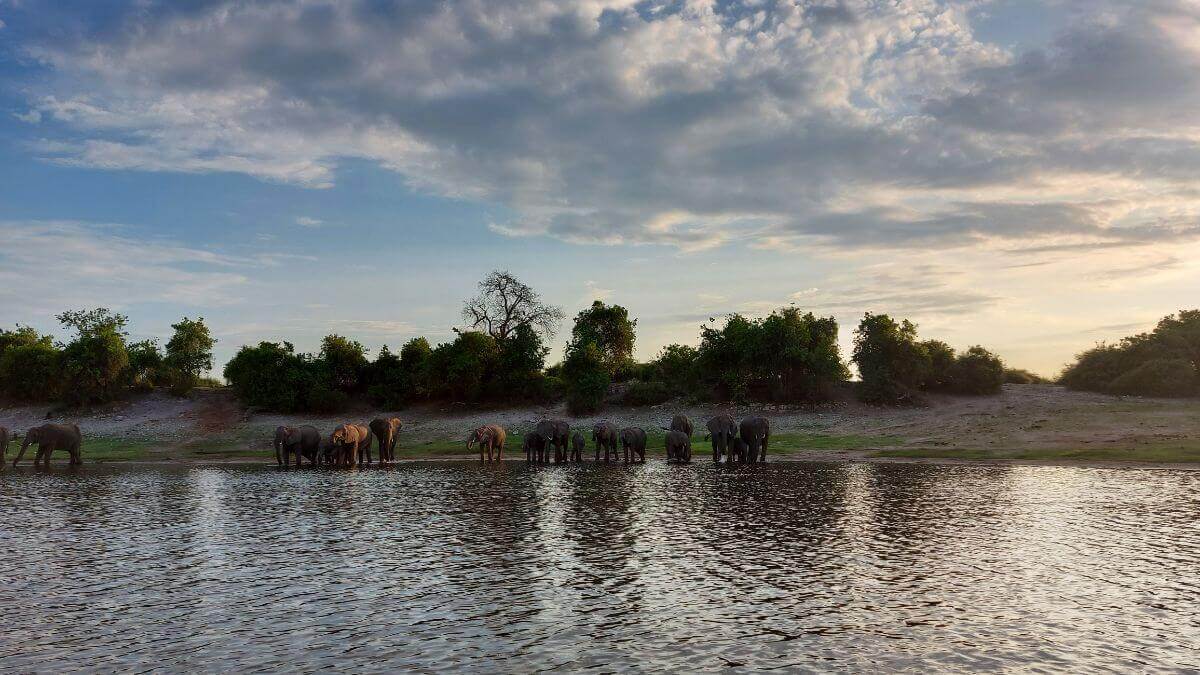
Serondela Area
Located in the eastern section of the park, this zone features lush forest and riverine plains. It provides habitat for diverse bird species and sedentary wildlife populations.
Drive the river road early to spot predators in shade.
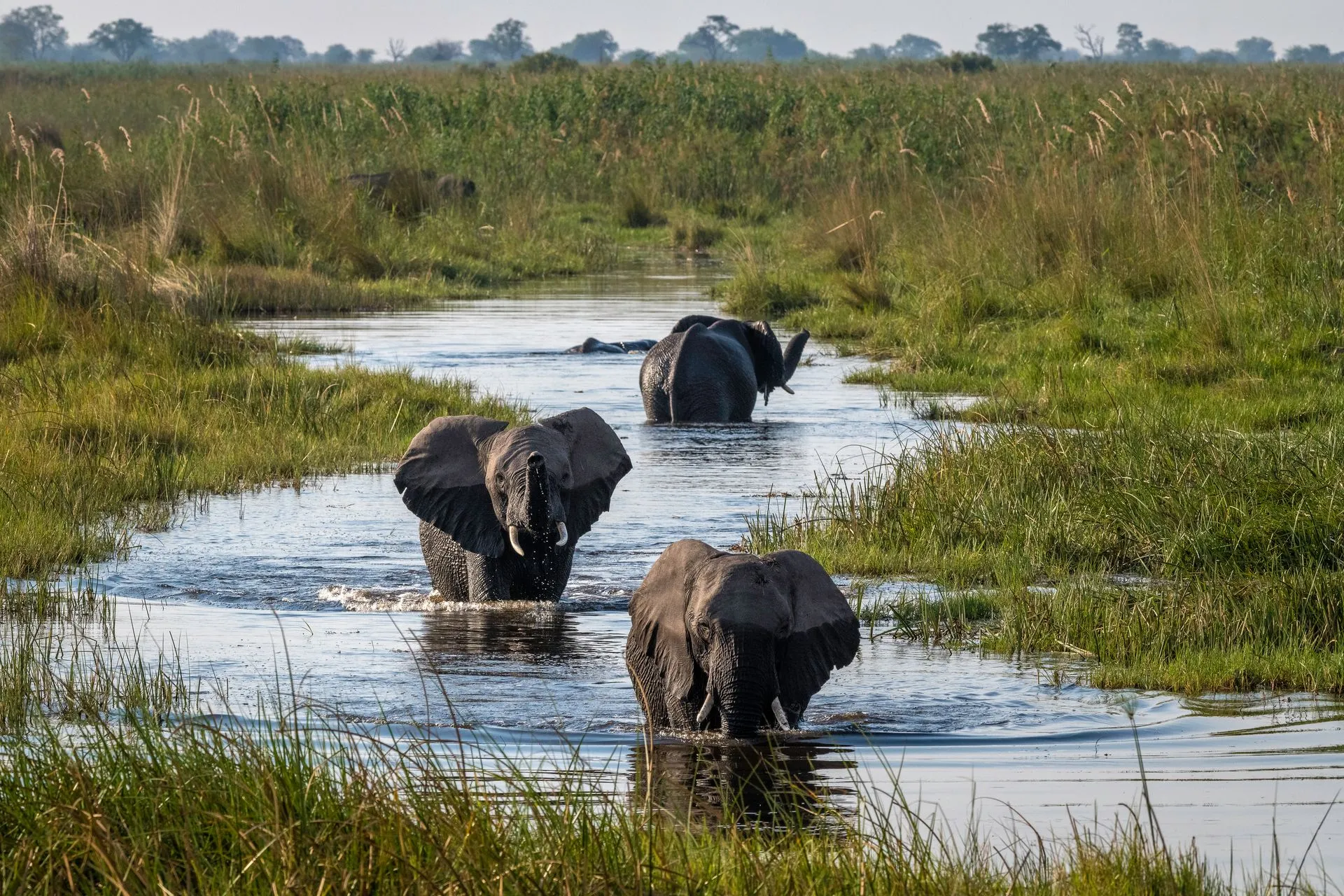
Linyanti Marsh
A river-fed wetland system that attracts significant predator activity including lions and leopards. The terrain is remote and offers a different landscape compared to the riverfront.
Use binoculars to scan the reeds for hidden leopard.
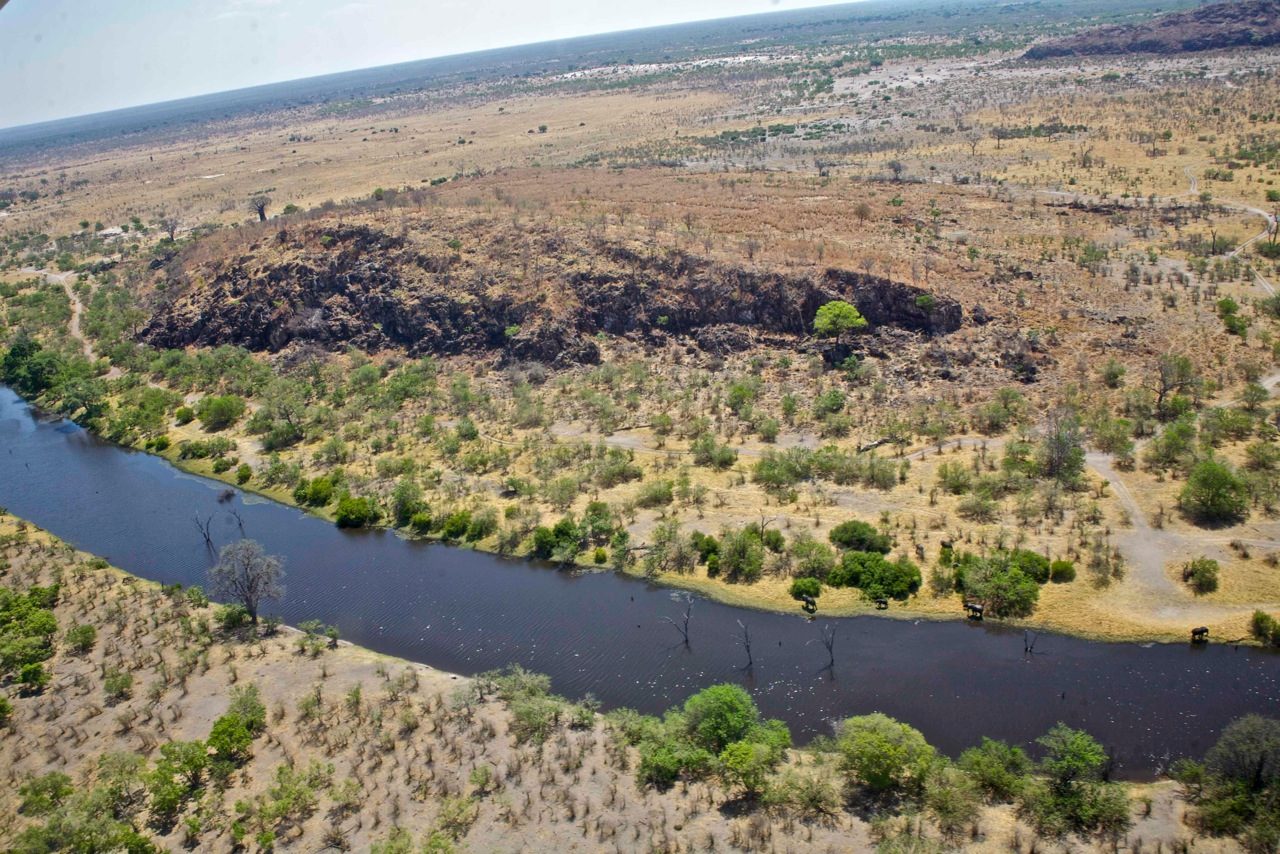
Savuti Channel
Known for its unpredictable water flow, this area features open grasslands and rocky outcrops. It is recognized for its population of lions that have adapted to hunt in varied terrain.
Focus on the rocky outcrops to spot resting lions.
Preparing for Your Visit: Is Botswana Good for Safari?
Chobe requires advance planning for documents, gear, and logistics to make the most of your visit.
-
Confirm your passport validity — Entry into Botswana requires at least six months remaining validity.
-
Book your safari operator in advance — Most lodges and guides fill up weeks ahead, especially in dry season.
-
Pack neutral-colored clothing and layers — Mornings start cool; earth tones help you blend in during game drives.
-
Bring a wide-brimmed hat and high-SPF sunscreen — The northern Botswana sun is intense, with little shade in open vehicles.
-
Carry sufficient cash in pula — Card acceptance is limited in remote areas; you'll need cash for tips and small purchases.
-
Pack binoculars and a camera with zoom — Wildlife viewing distances vary; a 200mm lens or higher captures distant sightings.
-
Arrange malaria prophylaxis with your doctor — Chobe is a malaria zone year-round; consult a travel clinic at least four weeks before departure.
Check availability
Common questions about is botswana good for safari
Everything you need to know about is botswana good for safari