10 hr
Chobe National Park Full-Day Safari from Victoria Falls
- Expert local guide
- Small group
- Skip-the-line access
- Free cancellation
Chobe Day Safari from Livingstone — River & Game Drive
Cross the Zambezi at dawn, track elephant herds by noon
Compare fares, pick the fit — all bookings are mobile-voucher and eligible for free cancellation where shown.
10 hr
11 hr
10 hr
Selecting the right chobe day safari from livingstone requires balancing your preference for shared group dynamics versus a more personalized, private experience. These chobe day safari from livingstone tours offer diverse ways to explore the iconic riverfront and its abundant wildlife population.
| Group Safari Shared Transport/Cruise |
Top pick Private Expedition Dedicated Guide & Vehicle |
|
|---|---|---|
| Daily Departures | 07:00 | Flexible |
| Includes Lunch | ||
| Conservation Fee (Adult) | 270 BWP | 270 BWP |
| Best for | first-timers | small groups or families |
| See tickets & prices |
Verdict: For the most seamless experience, choose the Private Expedition, or opt for the shared chobe day safari from livingstone tickets for better social value.
Worth it for wildlife-focused travelers
A chobe day safari from livingstone delivers exceptional value despite the 90-minute border crossing each way. You're trading travel time for access to one of Africa's highest concentrations of wildlife—Chobe hosts an estimated 120,000 elephants alongside buffalo herds, lions, and hippos concentrated along the Chobe River floodplains. Full-day packages typically combine a morning game drive with an afternoon river cruise, maximizing your odds across two ecosystems. The 270 BWP park conservation fee is built into tour pricing, which covers transport, border logistics, lunch, and guided interpretation. For visitors already based in Livingstone or Victoria Falls, this remains the most practical way to experience Botswana's flagship park without committing to a multi-day safari. The density of elephant herds alone—often visible in groups of 50 or more during dry months—justifies the journey for anyone prioritizing big-game encounters over convenience.
Bottom line: If your priority is seeing large concentrations of elephants and other wildlife without flying to the Okavango, the border crossing is a worthwhile trade-off for a single-day Chobe safari tour from Livingstone.
They complement each other; most visitors who do both call the chobe day safari from livingstone the more wildlife-intense experience. Choosing between these chobe day safari from livingstone tours depends on whether your priority is active animal tracking or scenic sightseeing.
|
Top pick Chobe Safari |
Victoria Falls Tour | |
|---|---|---|
| Primary focus | Wildlife viewing and river cruising | Landscape photography and walking trails |
| Travel time | 1.5–2 hours each way | 15–30 minutes local transfer |
| Activity duration | 11 hours (full day) | 3–5 hours (half day) |
| Wildlife sightings | High (elephants and predators) | Low (limited to resident park animals) |
| Border crossing | Required (Zambia to Botswana) | None (usually local to site) |
| Best for | Safari enthusiasts and photographers | Casual sightseers and hikers |
| See tickets & prices |
Verdict: Book your chobe day safari from livingstone tickets if you want to encounter Africa's diverse fauna, whereas the guided waterfall tour is ideal for shorter, less logistical-heavy itineraries.
Hand-picked experiences loved by thousands of travelers
8 hours
Free Cancellation
Discover Botswana's wildlife haven on a complete day exploring Chobe by boat and 4x4 vehicle
10 hours
Free Cancellation
Cross into Botswana for a thrilling wildlife adventure with game drives and river cruising
7 hours
Free Cancellation
Full-day wildlife adventure combining river cruise and 4x4 game drive across the Botswana border
10 hours
Free Cancellation
Full-day wildlife adventure combining a morning game drive and afternoon boat cruise in Botswana
9 hours
Free Cancellation
Full-day wildlife adventure combining river cruise and 4x4 game drive with lunch and border support
12 hours
Free Cancellation
Cross into Botswana for river cruising and wildlife tracking in one of Africa's premier game reserves
3 hours
Free Cancellation
Cross into Botswana for a thrilling game drive through elephant country and big cat territory
9 hours
Free Cancellation
Full-day private safari with river cruise, luxury lodge lunch, and 4x4 game drive through elephant country
The riverfront area is the wildlife hub, attracting vast herds of elephants and buffalo especially during the dry season.
Known for its open grasslands and annual zebra migration, this area is a prime location for predator sightings.
A riverine woodland area in the northwest famous for leopards and wild dogs, providing a more remote experience.
This central, less-visited region offers a peaceful wilderness experience away from the main tourist crowds.
Lush floodplains and dense mopane forests characterize this northeastern section of the park.
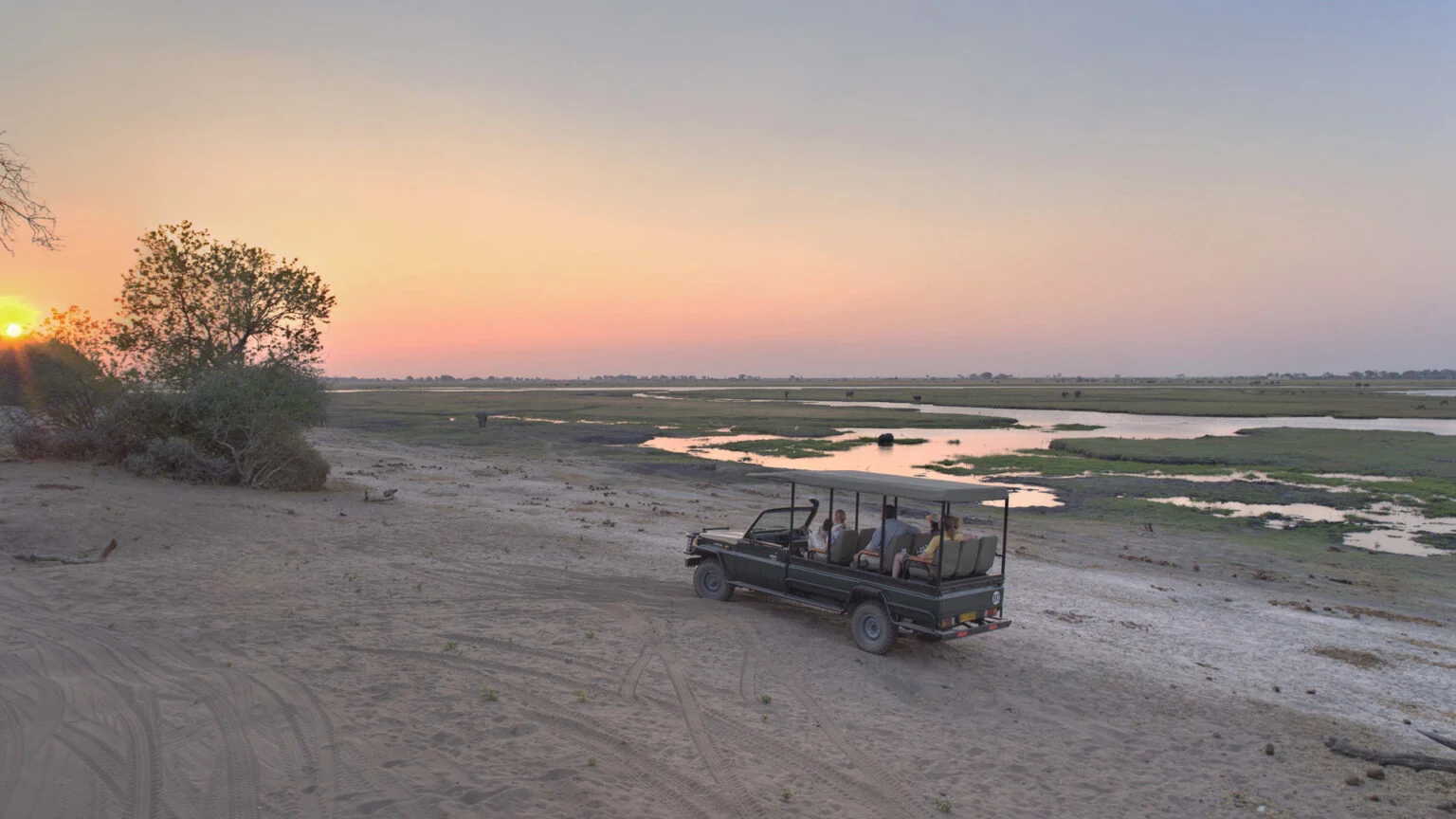
You leave Livingstone in darkness, crossing the Kazungula Bridge as the Zambezi emerges from shadow. By the time you clear Botswana immigration and reach Kasane, the sun has lifted above the floodplain, and your guide is already scanning the treeline for movement.
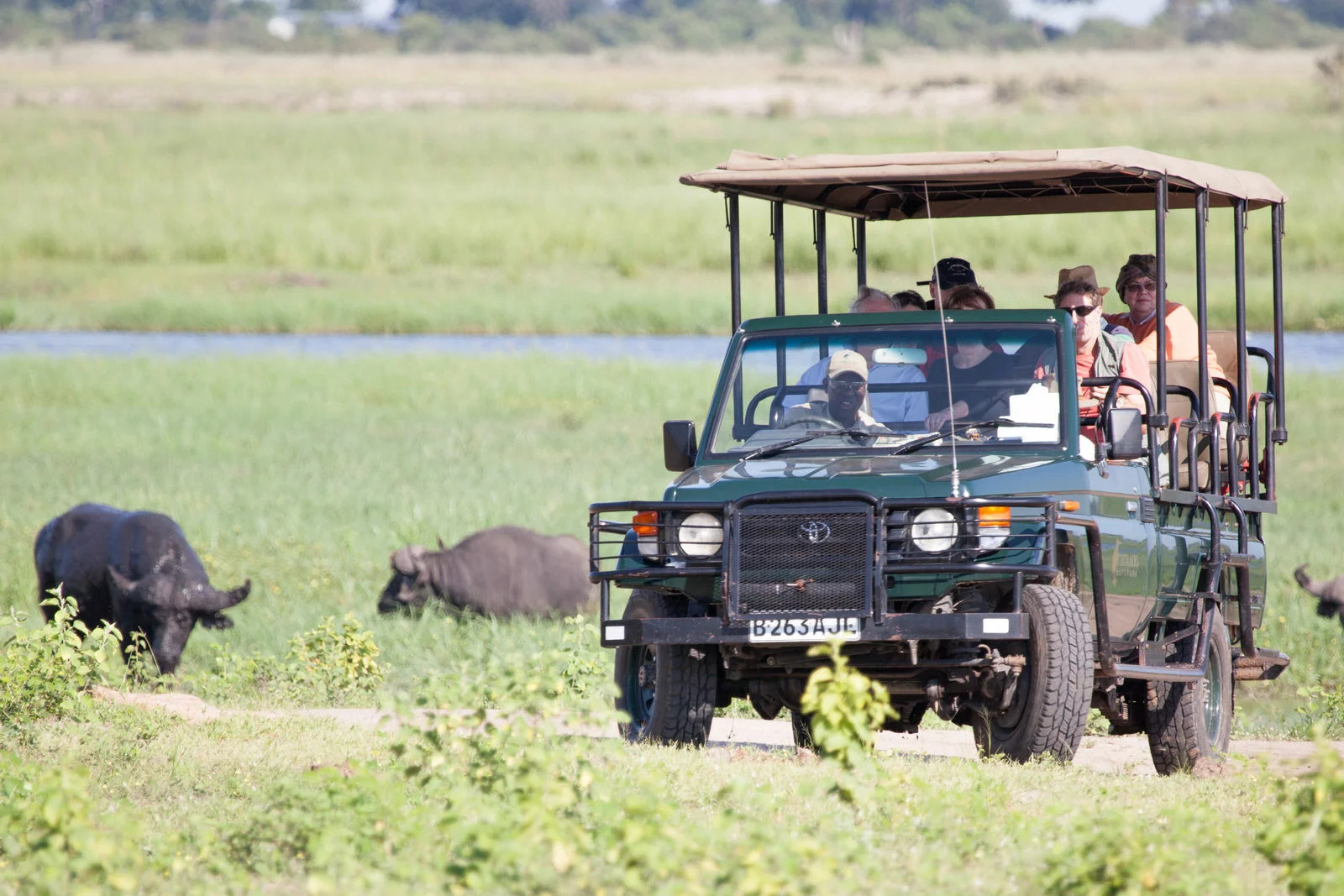
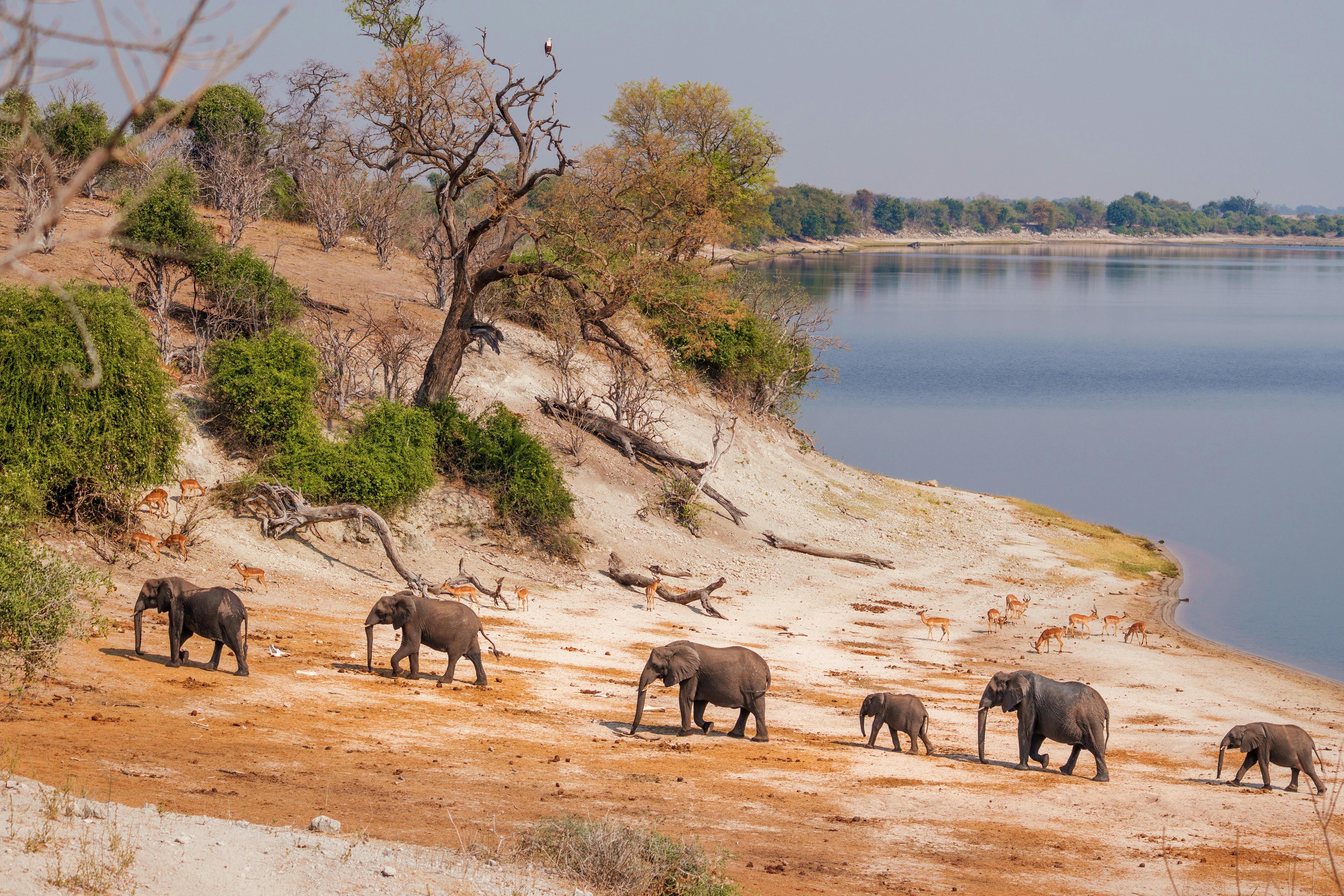
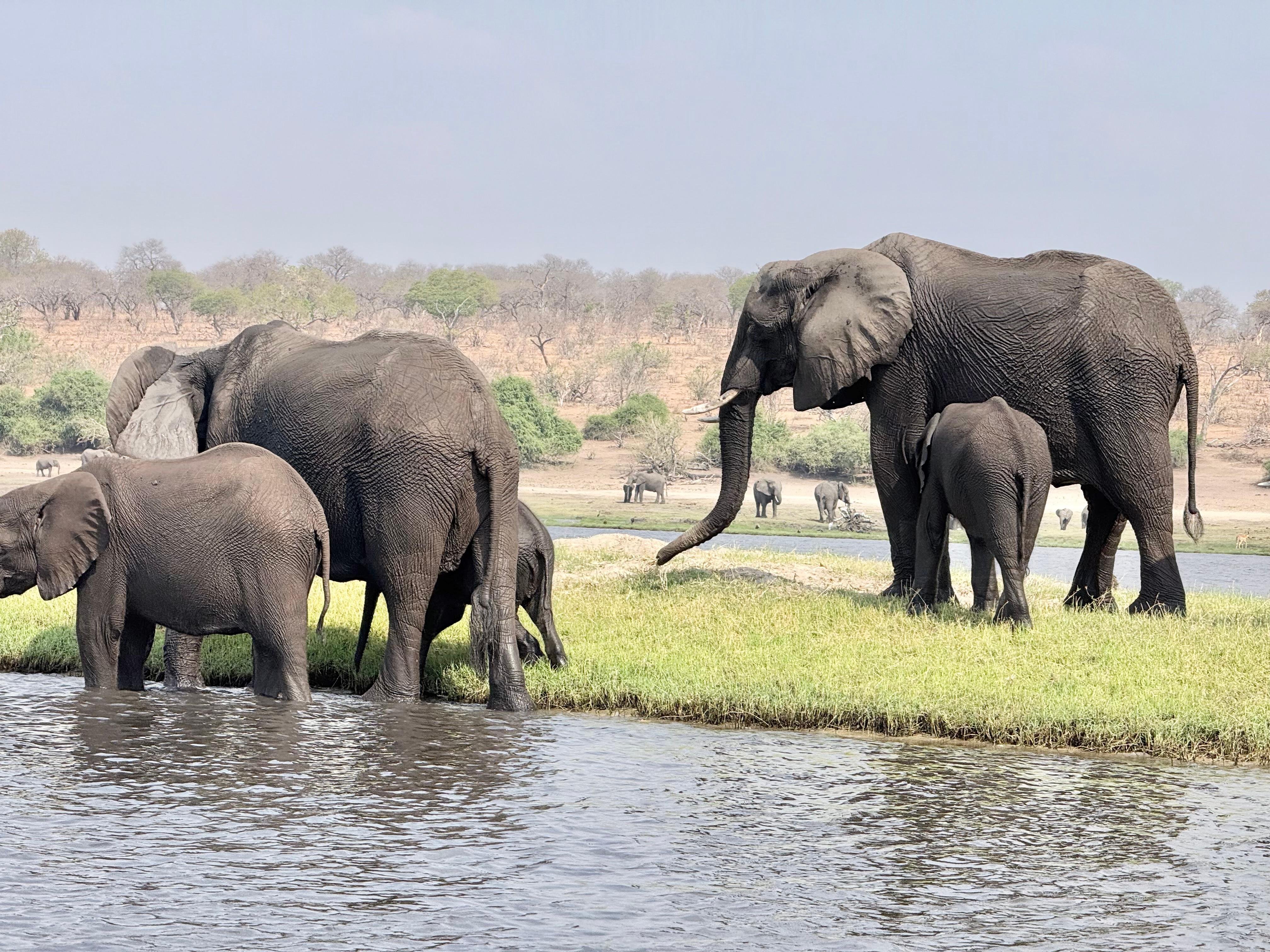
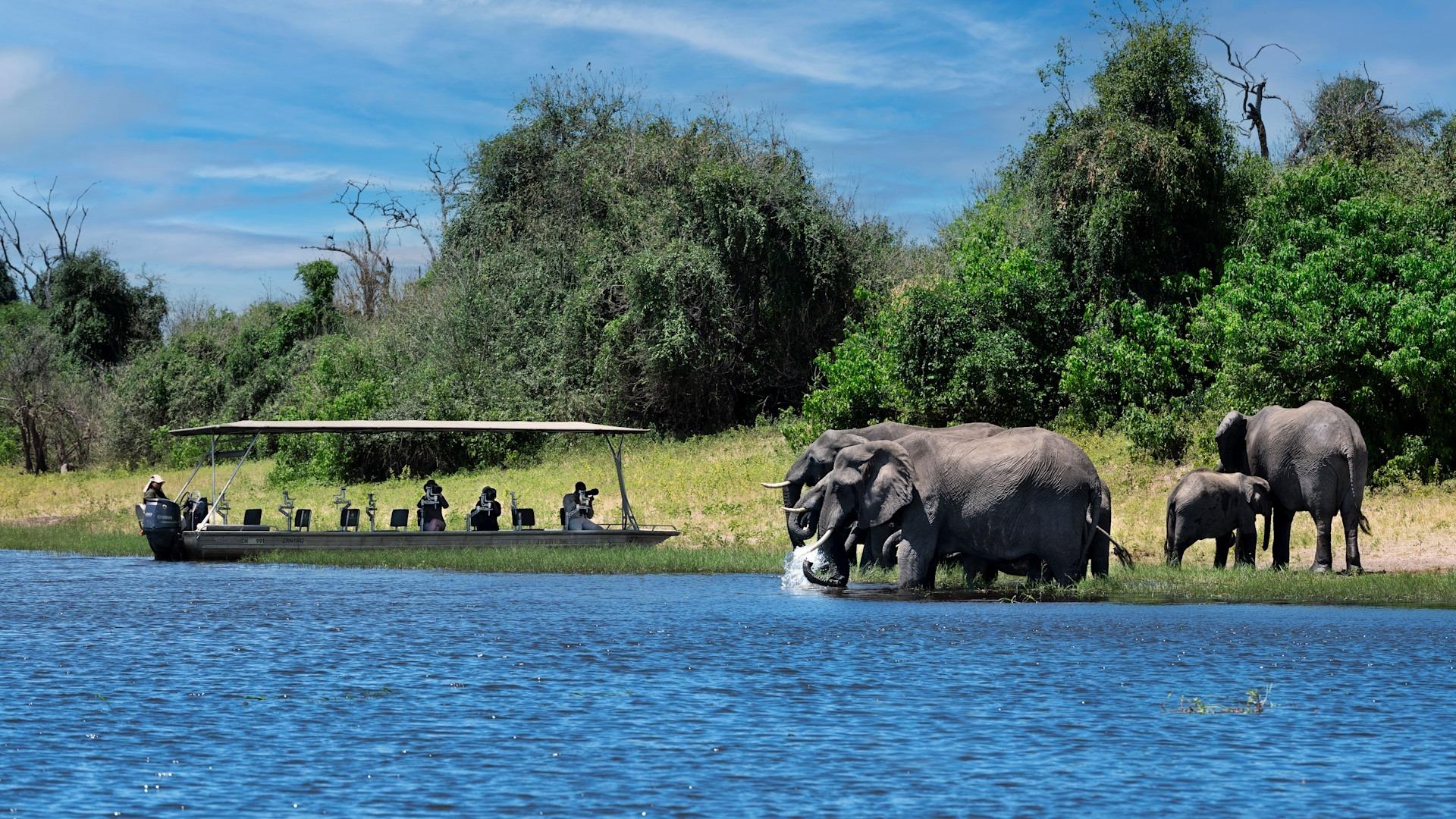
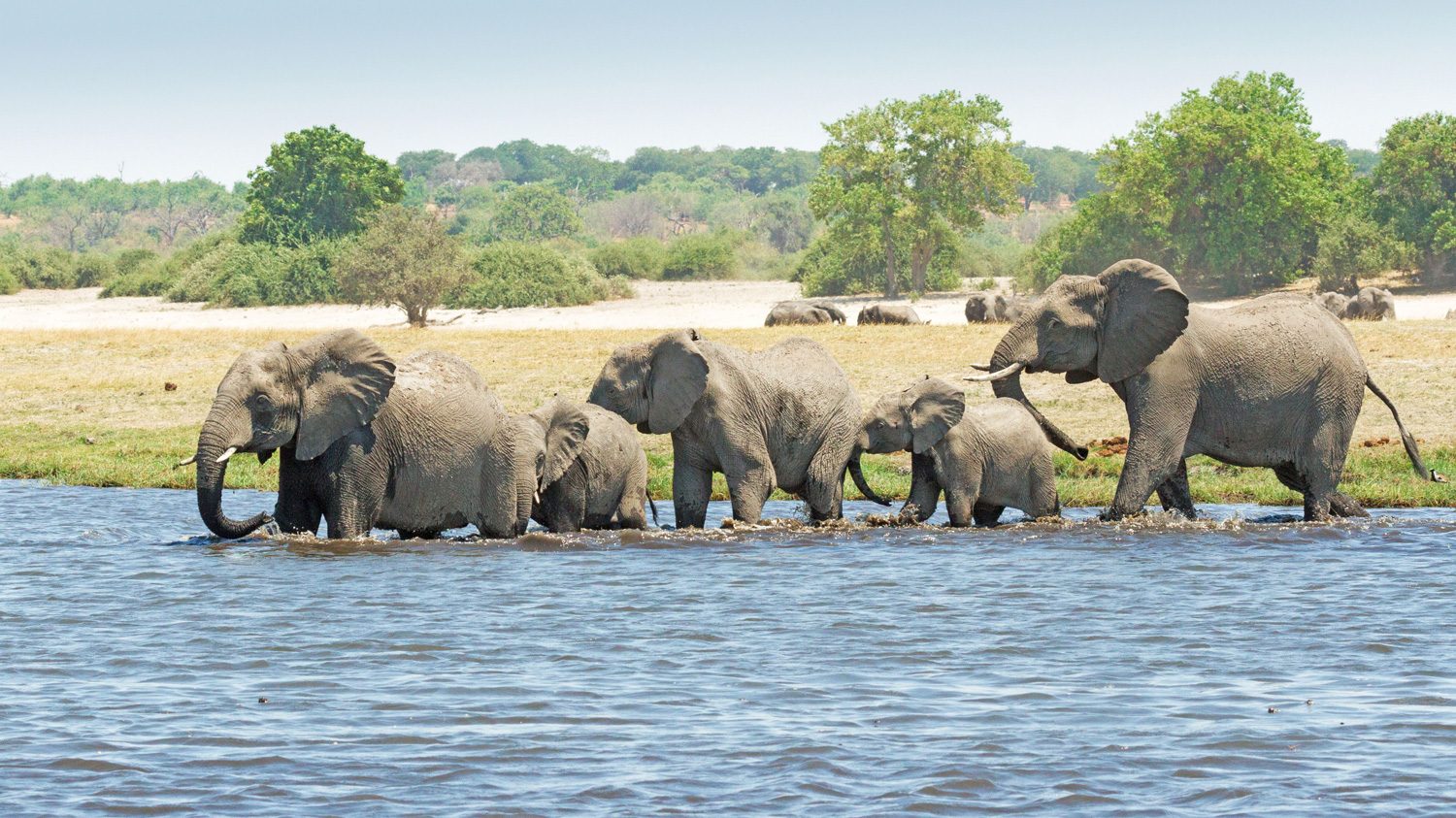
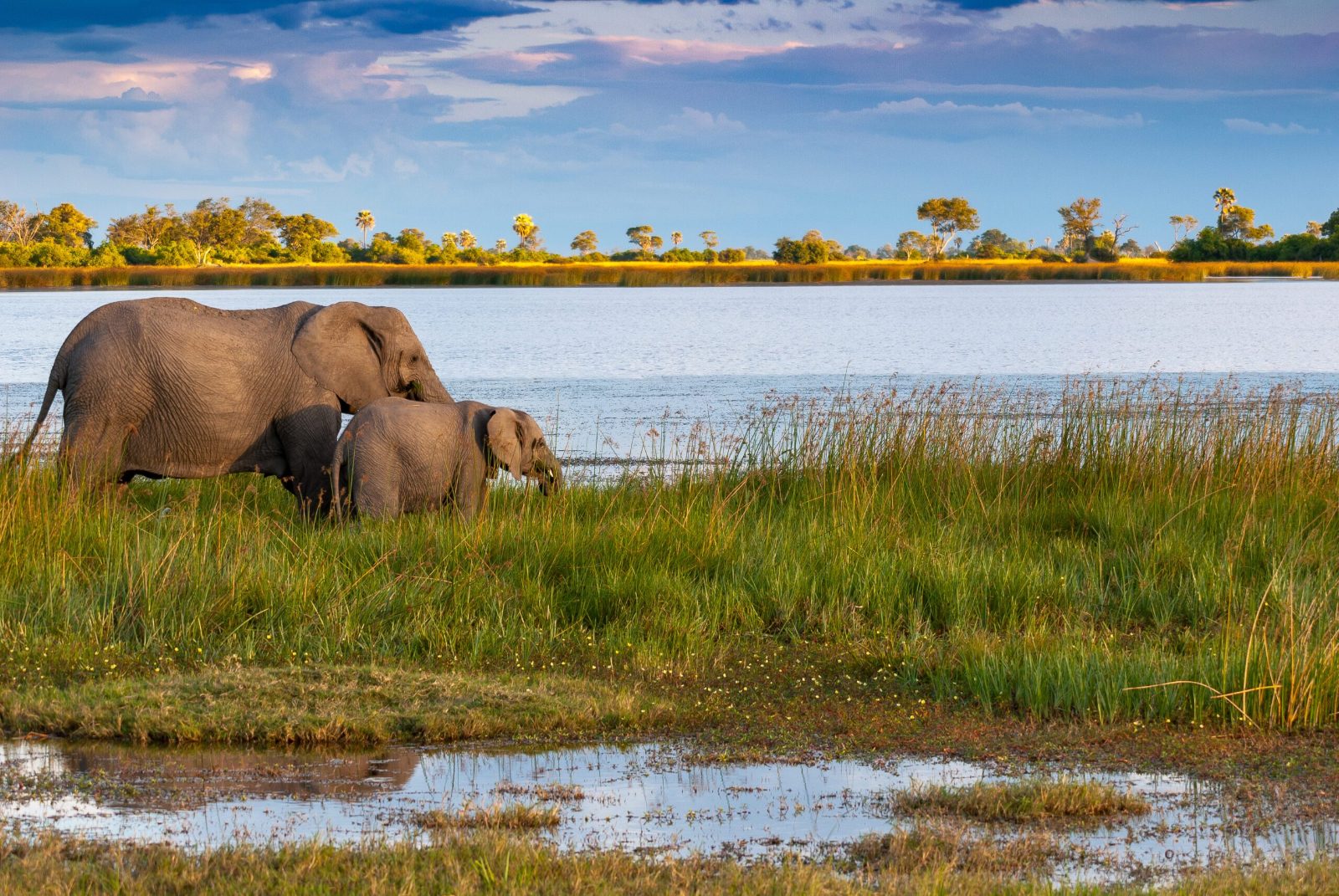
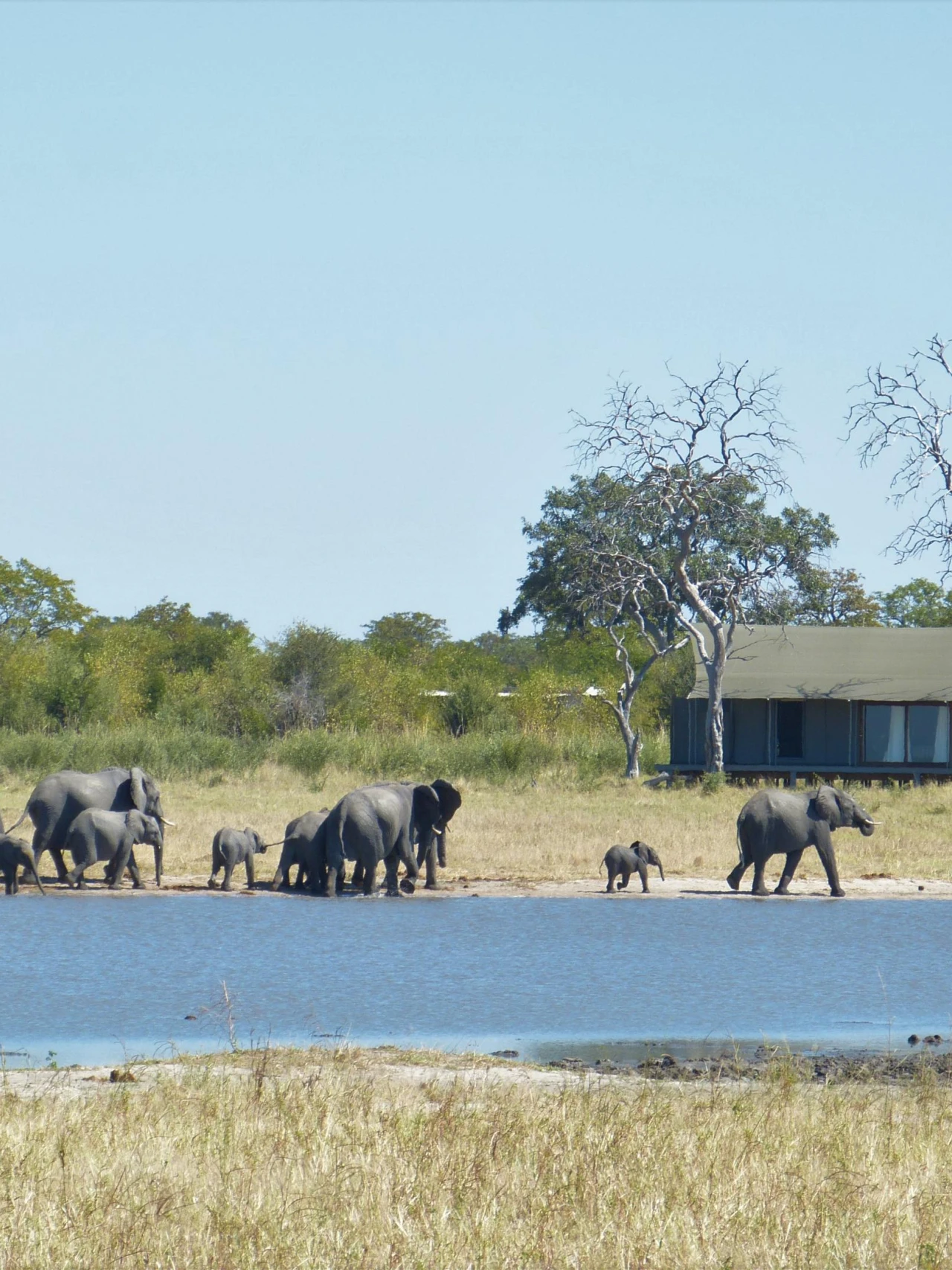
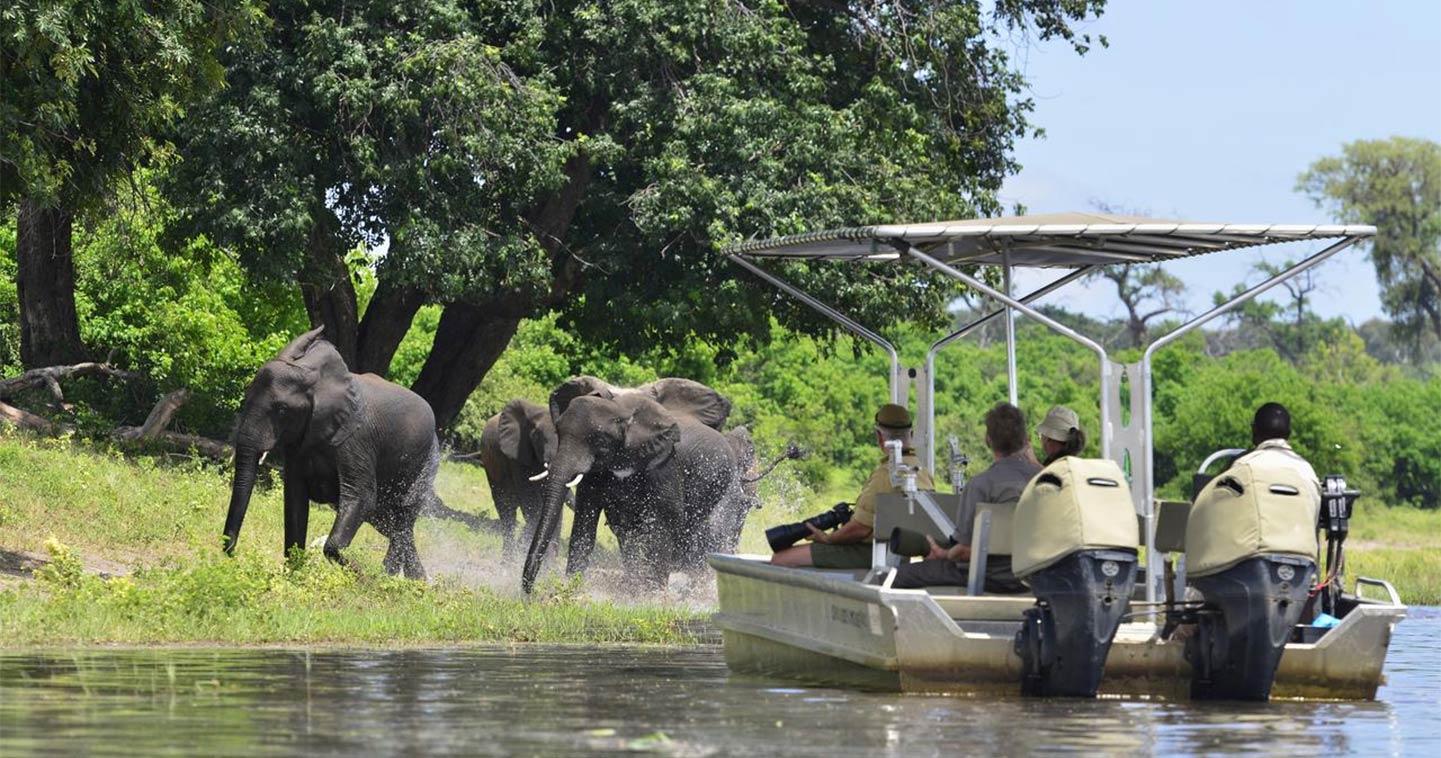
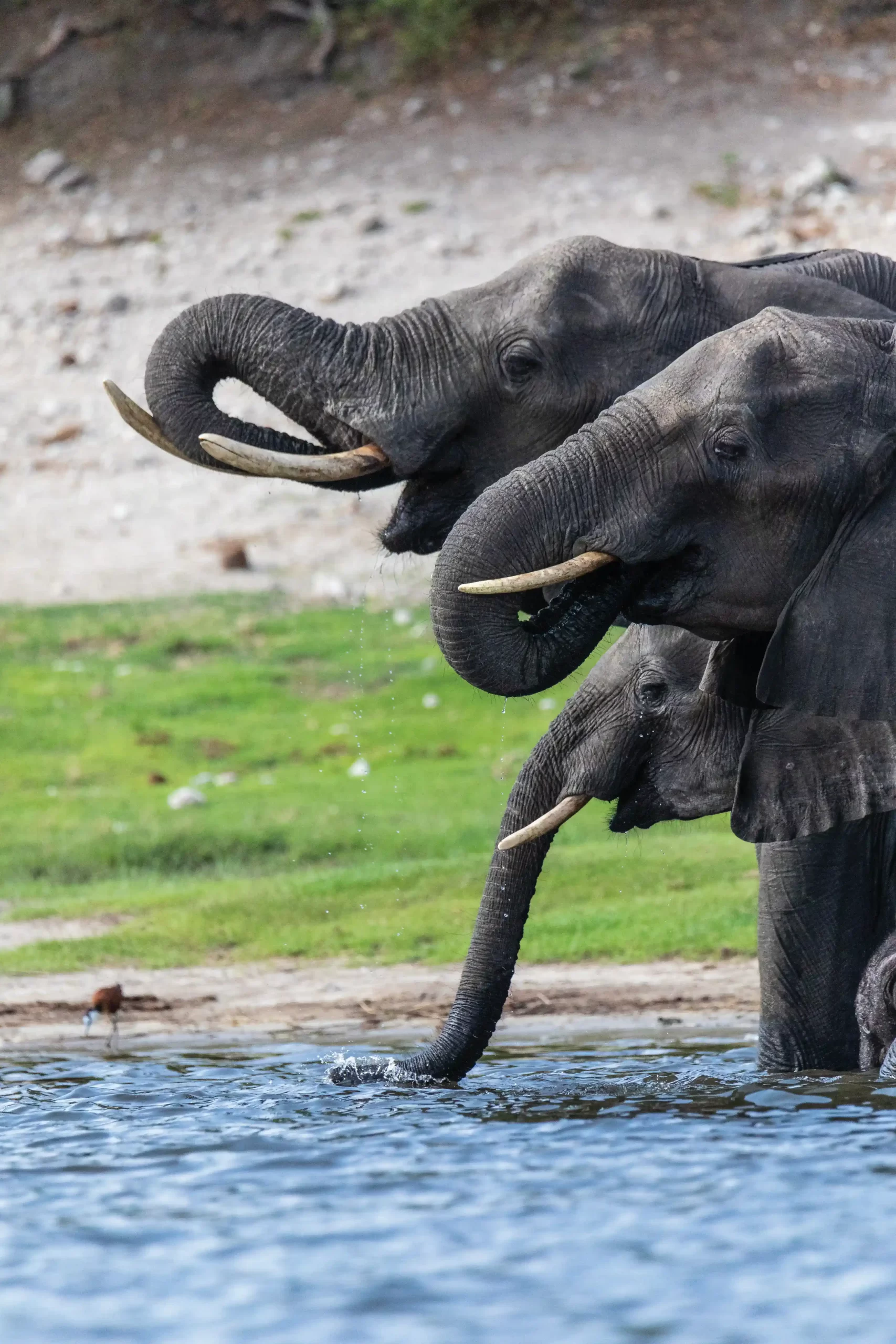
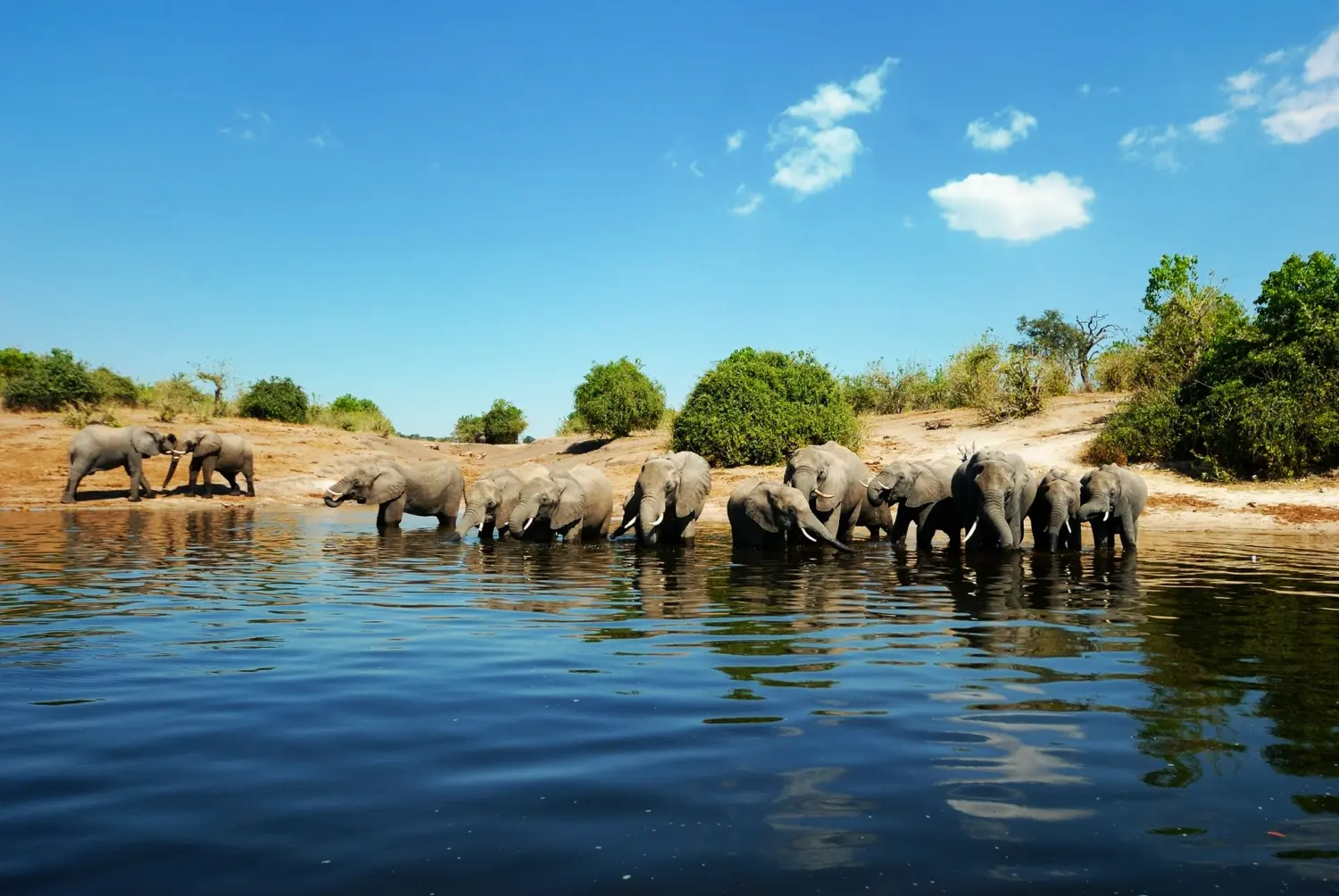
The morning game drive begins along the Chobe River frontage, where the track runs parallel to the water and elephant families descend the bank to drink. You stop within ten metres of a breeding herd — calves tucked beneath their mothers, matriarchs testing the air with raised trunks. Further east, a lone buffalo bull stands motionless in the shallows, egrets perched along his spine.
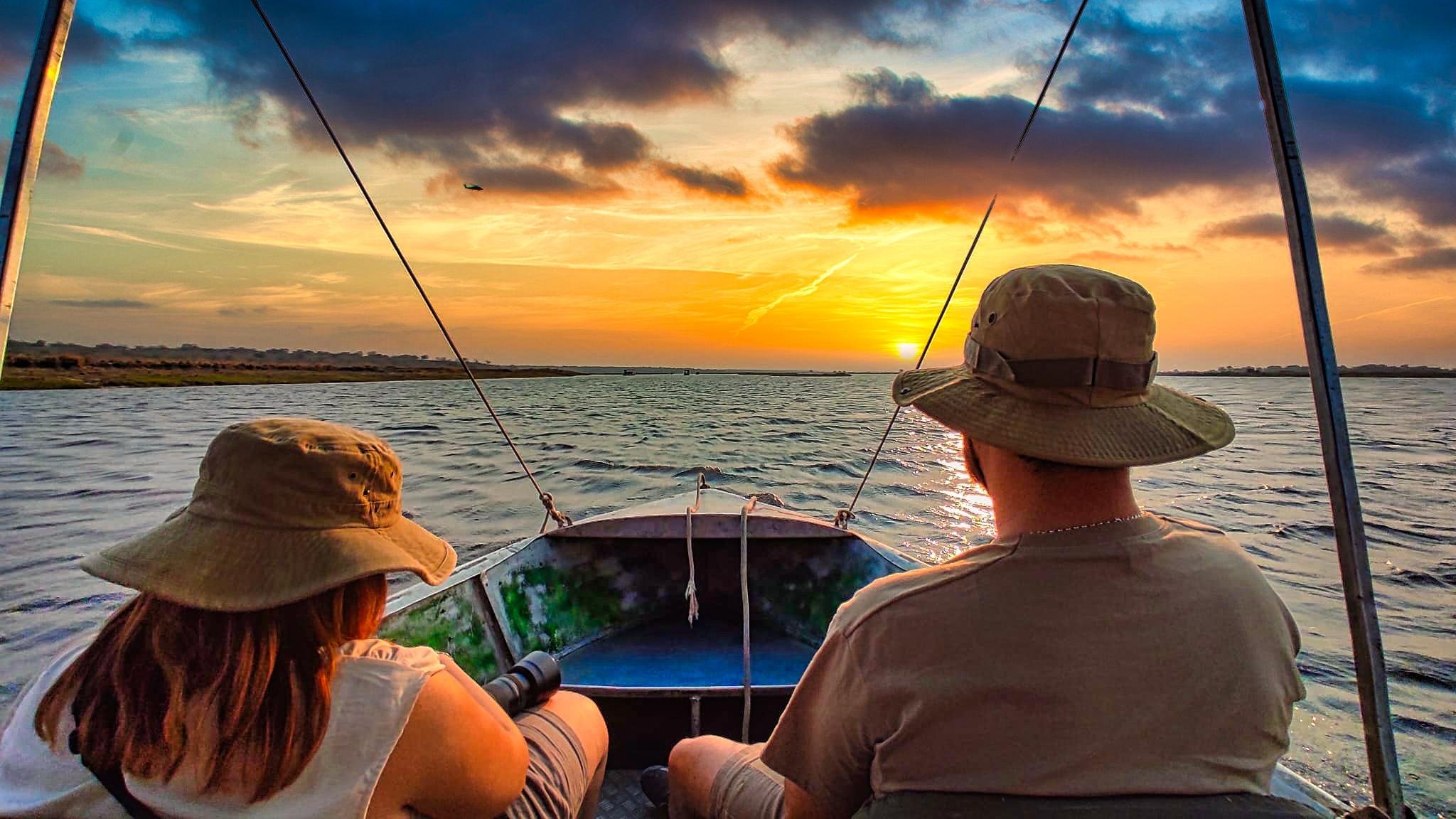
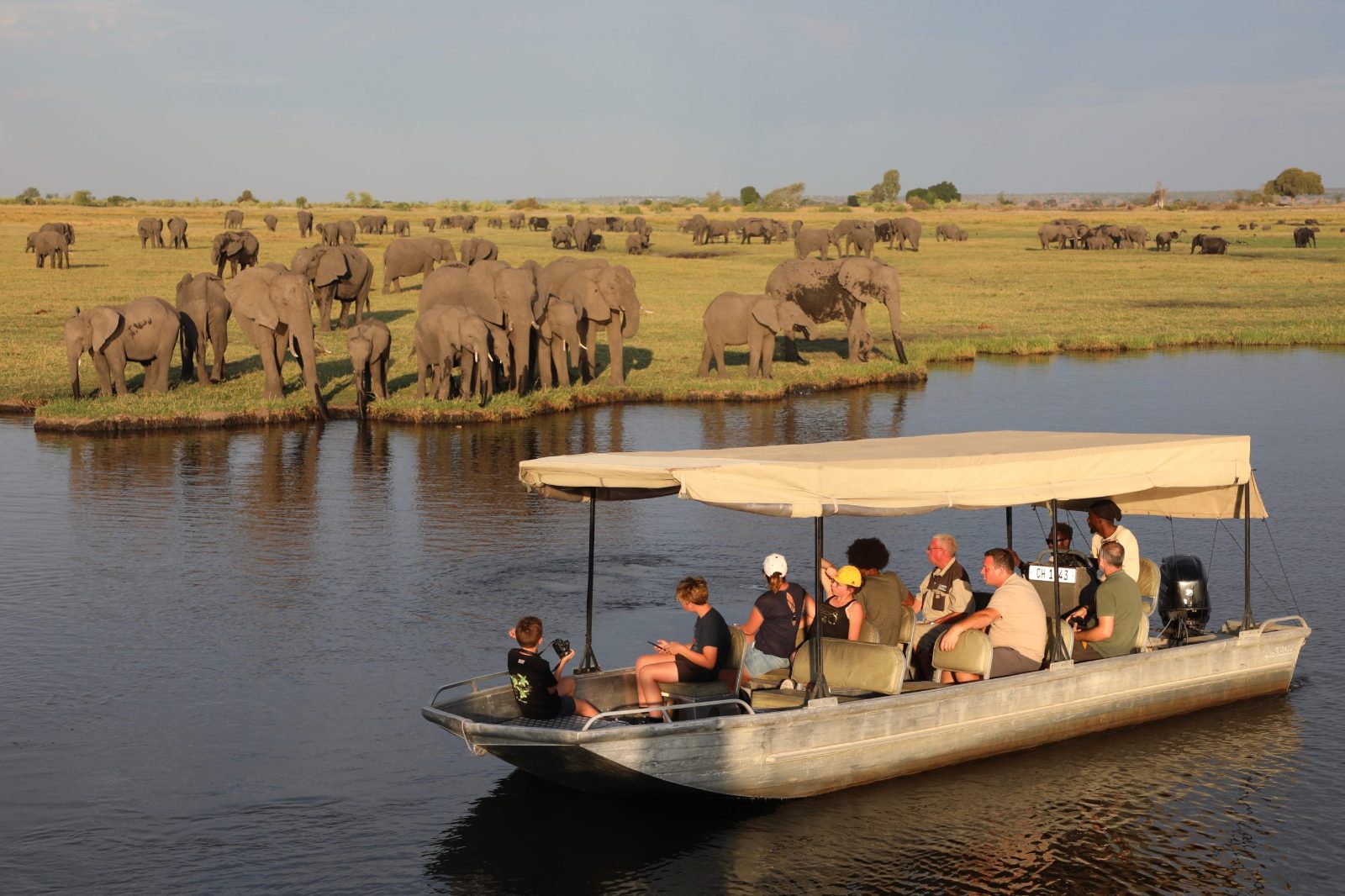
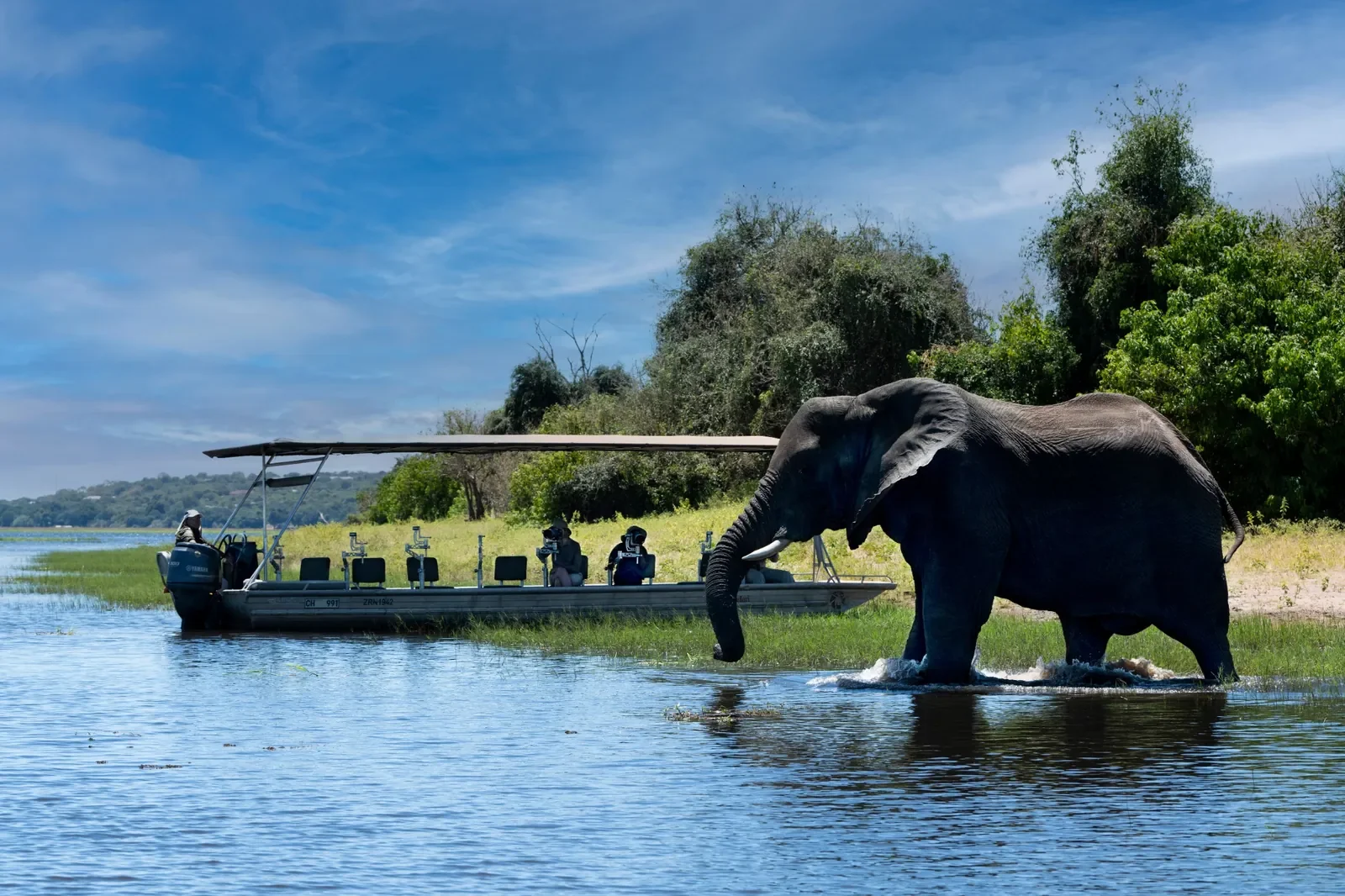
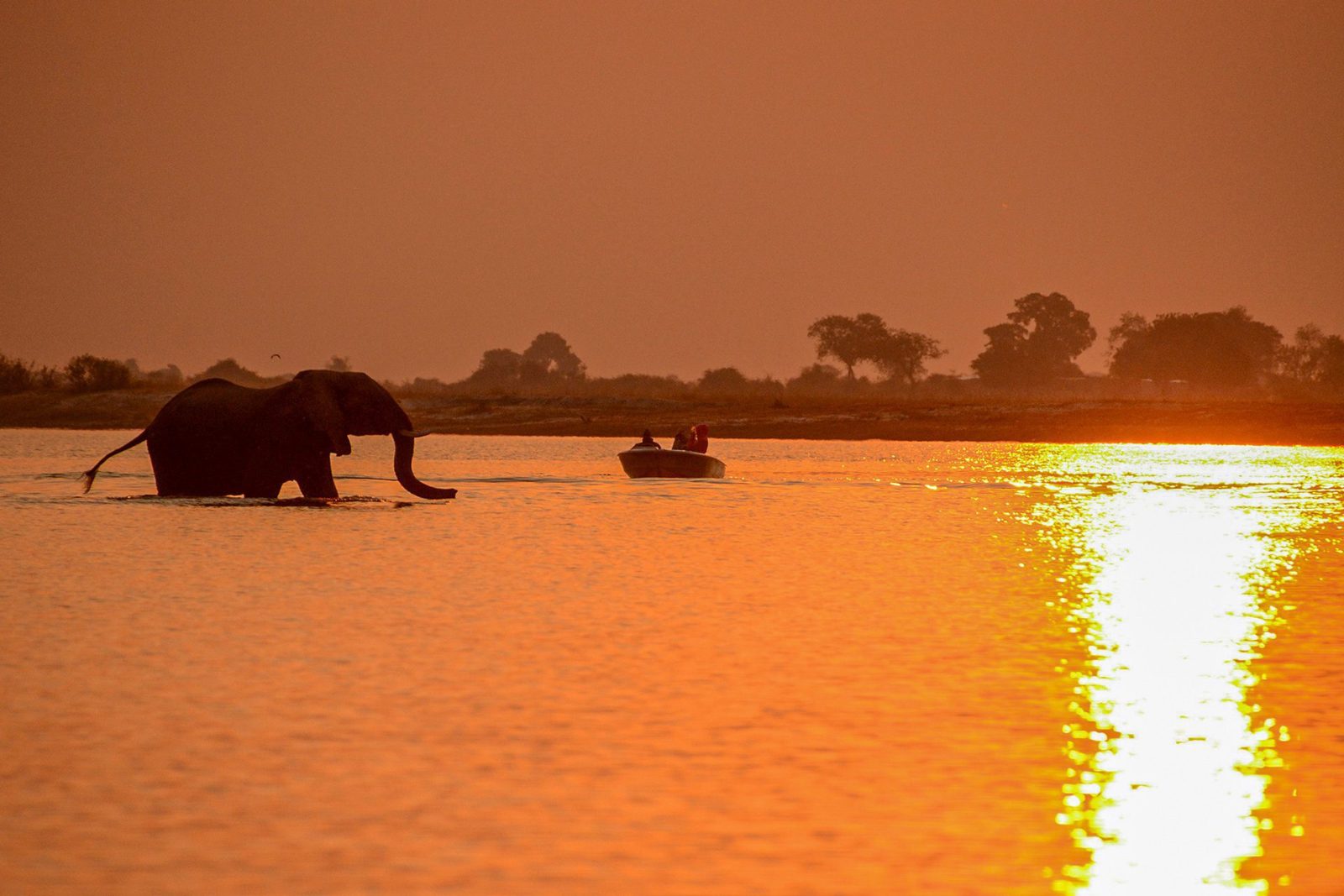
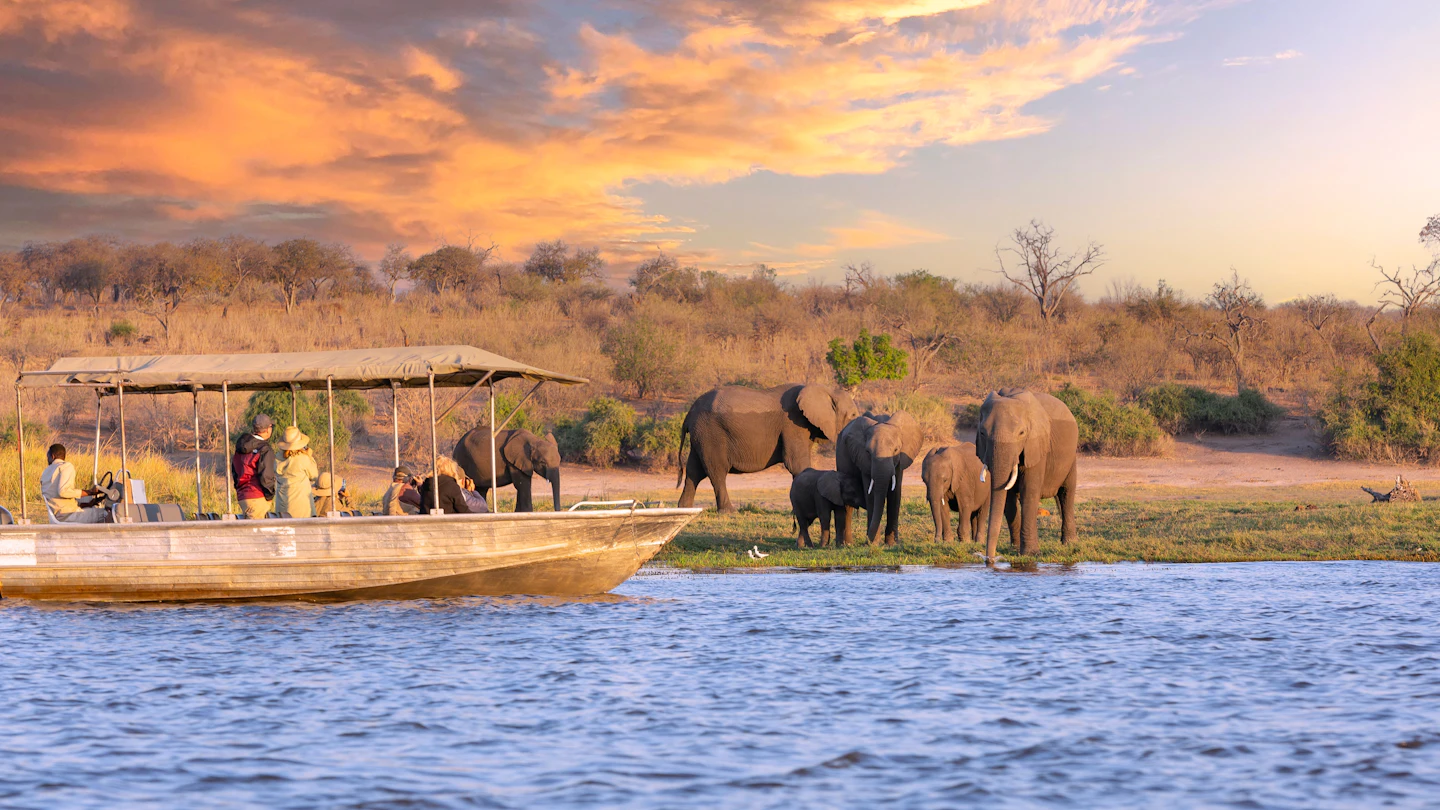
You break for lunch in Kasane, then board a flat-bottomed boat for the afternoon river cruise. The vessel drifts downstream, engine cut, as hippos surface in pairs and crocodiles slip from the mudbanks. Your guide steers toward a reed island where a fish eagle watches from a dead leadwood snag. The sun drops behind the Caprivi Strip, turning the water copper, and you count seventeen elephants on the opposite shore before the boat turns back toward the jetty. You re-cross the border at dusk, reaching Livingstone as the streetlights blink on along Mosi-oa-Tunya Road.
All the details about your upcoming adventure in one place
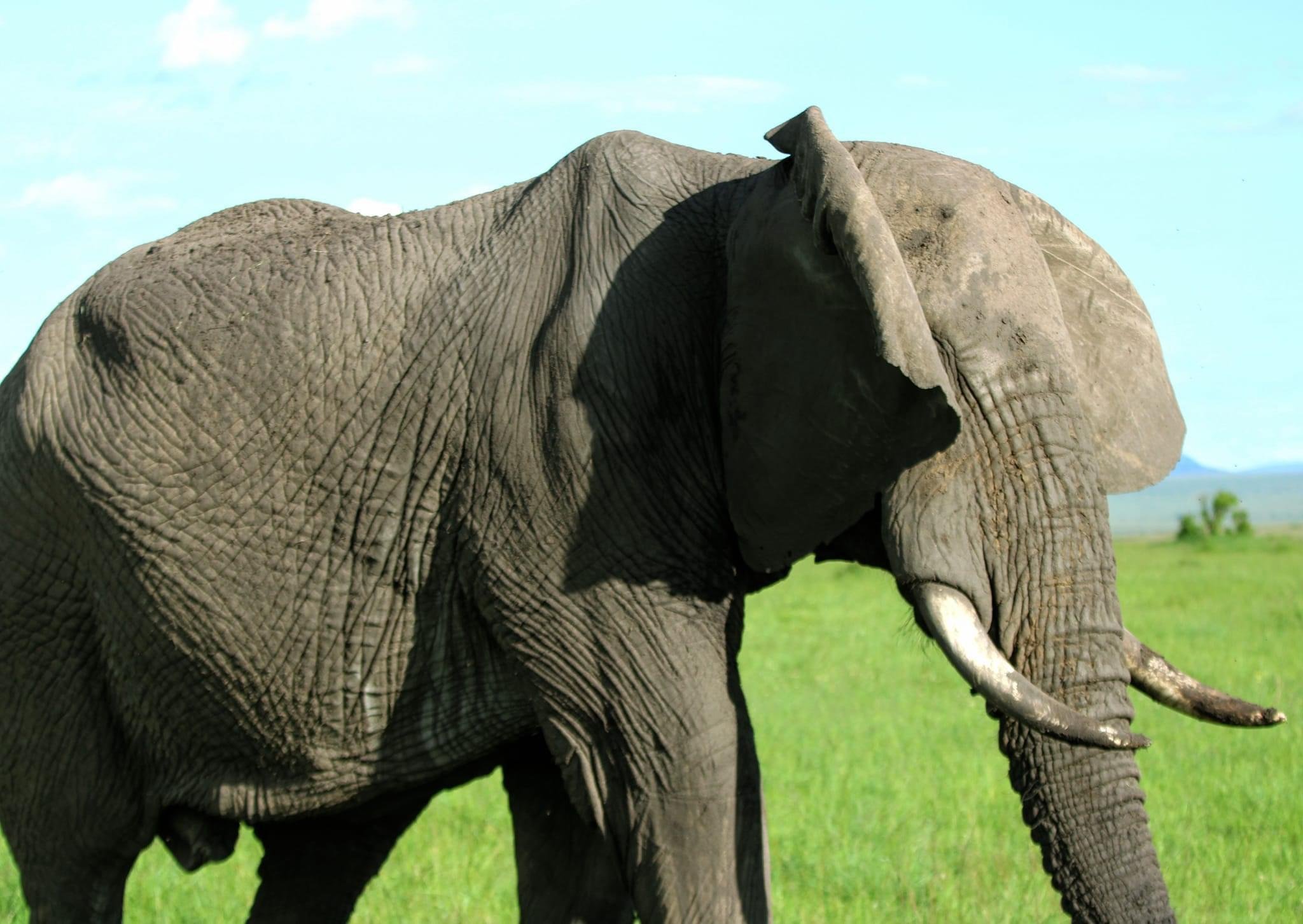
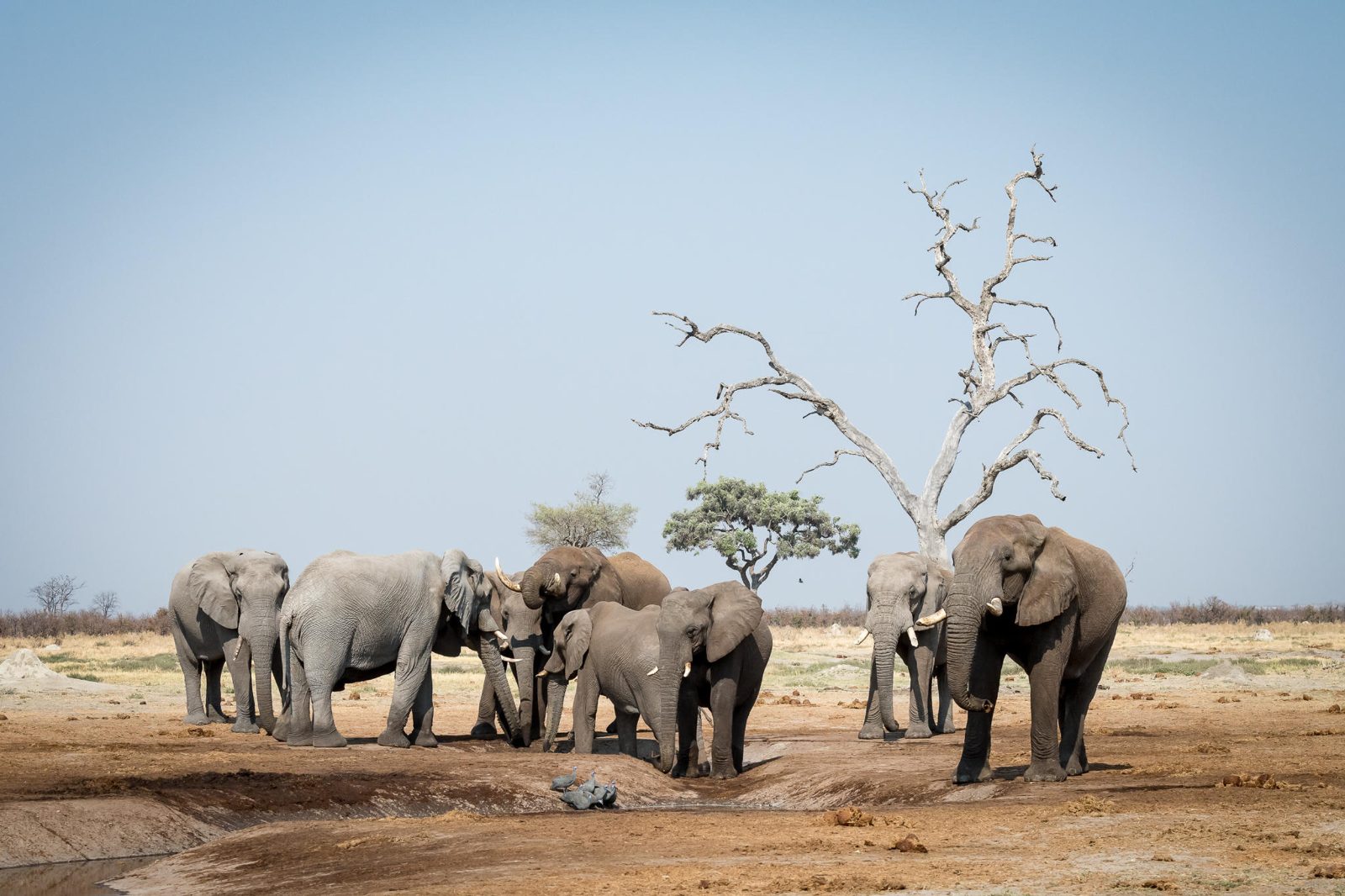
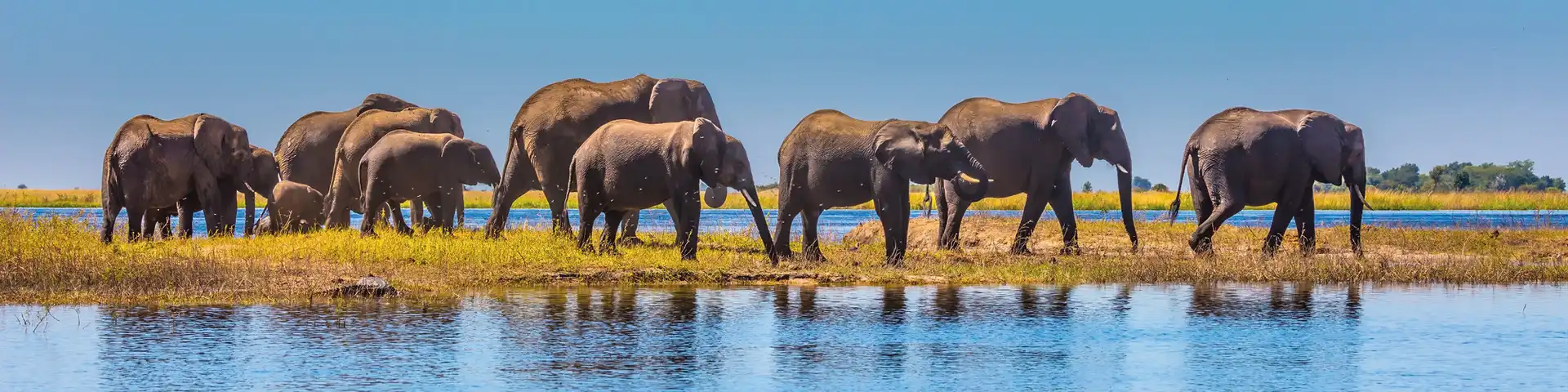
Chobe National Park holds the highest concentration of African elephants on the continent — an estimated 120,000 animals migrate through its 11,700 square kilometres, with herds of two hundred or more converging on the riverfront during the dry season.
Established in 1968 as Botswana's first national park, Chobe anchors the northern corner of the Okavango-Chobe-Zambezi conservation corridor, a transboundary network linking five countries and protecting the largest remaining population of savanna elephants in the world. The park's Chobe River frontage, a 50-kilometre ribbon of perennial water, sustains lion, leopard, buffalo, hippo, and more than 450 recorded bird species, making it one of southern Africa's most reliably productive wildlife zones.
The geography that makes Chobe accessible from Livingstone also shaped its colonial history. The Kazungula ferry crossing, where Botswana, Zambia, Zimbabwe, and Namibia meet at a single cartographic point, was surveyed by Frederick Selous in the 1870s and later became a strategic ford during the Rhodesian era. Today the crossing serves as the logistical gateway for cross-border safari operations, with the 70-kilometre drive from Livingstone to Kasane — the park's northern gateway town — taking roughly 90 minutes including border formalities. Most Chobe day safari from Livingstone tours depart before sunrise to reach the park during the optimal wildlife activity window, which peaks between 06:00 and 10:00 when temperatures remain below 28°C and animals move freely along the floodplain.
Chobe's two-habitat structure — riverine woodland along the Chobe River and open savanna inland — supports distinct viewing opportunities. Morning game drives typically traverse the Serondela area, where mahogany and teak forests shelter sable antelope and kudu, while afternoon river cruises focus on the hippo pools and reed beds downstream from Kasane. The park's elephant population, while year-round, concentrates dramatically from May through October, when dry-season conditions push herds toward permanent water sources. During this period, the river's edge becomes a theatre of interaction: breeding herds bathe in the shallows, bachelor groups spar on the banks, and crocodiles bask on exposed mudflats. The density of megafauna — elephant, buffalo, hippo — within a confined riverfront corridor means that Chobe day safari from Livingstone itineraries reliably deliver high-volume sightings even on abbreviated schedules, a logistical advantage that has made the route a fixture of Zambian tourism infrastructure since the 1990s.
Chobe holds the highest concentration of African elephants on the continent, with herds of two hundred or more converging on the riverfront during the dry season.
Wear neutral-colored clothing such as khaki, tan, or olive green to blend into the natural environment. Avoid bright colors and pack layers for chilly early morning game drives.
Keep all belongings secure in a day pack and ensure your operator provides a safe storage solution for valuables. Large luggage is generally not permitted on game drive vehicles.
Photography is encouraged, but maintain a respectful 30-meter distance from wildlife at all times. Use a long zoom lens for safety and to capture high-quality images without disturbing the animals.
Families are welcome, but note that long safari days can be demanding for young children. Confirm minimum age requirements for specific activities with your operator before booking.
The Chobe Riverfront is the most accessible area for a chobe day safari from livingstone. Visitors with limited mobility should coordinate with tour operators who offer specialized vehicles or boat access.
Bring plenty of drinking water to stay hydrated in the heat. Most operators provide lunch or snacks during a chobe day safari from livingstone tour; confirm meal inclusions beforehand.
Opening hours
05:30–19:00
Address
Chobe National Park, Kasane, Botswana
Entry requirements
Conservation fee 270 BWP per adult per day
Best arrival window
06:00–10:00
Contact
+2673913111
Website
https://www.botswanatourism.co.bw
Entry fees are non-refundable once paid at the gates. Ensure your operator confirms your conservation fee coverage before departure.
Recommended time
Full day
Planning a chobe day safari from livingstone requires accounting for the Kazungula border crossing, which can add significant transit time to your journey. Arriving during the 06:00–10:00 window is essential to prioritize game drives while wildlife is active and before the midday heat settles. Most chobe day safari from livingstone tours conclude with a river cruise, where boat traffic often peaks in the afternoon. Securing your chobe day safari from livingstone tickets in advance helps streamline entry procedures and maximizes your time observing elephants and riverbank predators.
Crowd levels through the day
Chobe National Park was gazetted in 1968, making it Botswana's first national park and a flagship for wildlife conservation in southern Africa. The area had served as a hunting reserve since 1960, but protection formalized only after independence in 1966 when the new government prioritized ecological tourism. The park's northern riverfront, now the backbone of chobe day safari from livingstone itineraries, initially saw minimal visitor infrastructure. Early lodges appeared in the 1970s, accessible only by rough track from Kasane. The Chobe River corridor became renowned for its elephant herds—by the mid-1980s, populations recovered from colonial-era hunting pressure, and concentrations along the floodplain drew researchers and the first cross-border tour operators. Livingstone emerged as a gateway in the 1990s when Zimbabwe's political instability redirected safari routes. Operators began offering day trips across the Kazungula border, linking Victoria Falls tourists to Botswana's wilderness without requiring overnight stays. The ferry crossing at Kazungula, a bottleneck until the 2021 bridge opened, defined the logistics of every chobe day safari from livingstone tour. Travel time dropped from ninety minutes to thirty, and visitor numbers doubled between 2021 and 2024. Kasane's infrastructure expanded in parallel: paved access roads, customs facilities, and boat launch sites standardized the half-day game drive and river cruise format now dominant across operators. Today the park sustains over 120,000 elephants, the continent's largest concentration, and remains a model for cross-border conservation. The Kazungula Quadripoint—where Botswana, Zambia, Zimbabwe, and Namibia converge—anchors the Kavango-Zambezi Transfrontier Conservation Area, formalized in 2011. Most visitors arrive on chobe day safari from livingstone tickets that combine morning game drives with afternoon river cruises, a structure unchanged since the early 2000s. The park's 270-pula conservation fee, introduced in 2017 and revised in 2023, funds anti-poaching patrols and habitat restoration across the 11,700-square-kilometer reserve.
Position yourself on a boat safari to capture eye-level shots of elephants swimming or drinking along the bank. This area offers the best perspective for wide-angle wildlife photography during your chobe day safari from livingstone.
This location provides a unique vantage point to photograph large elephant herds moving through the teak forest. Stand near the edge of the clearing to frame animals against the dense riverine vegetation.
Navigate the narrow channels around this lush floodplain to isolate hippos and crocodiles resting in the shallows. Using a long lens here allows for detailed portrait shots of rare bird species found in these chobe day safari from livingstone tours.
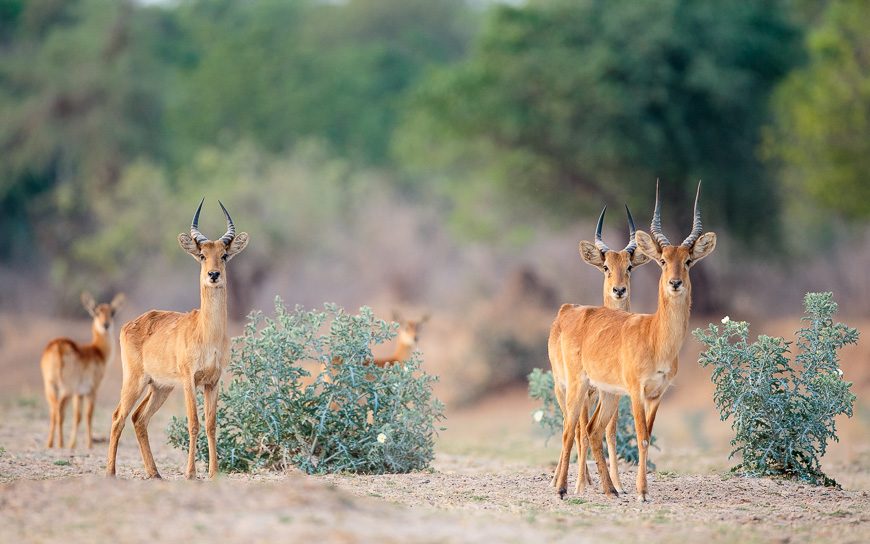
Focus your lens on the open grasslands where puku antelope frequently graze in the early light. This quiet sector is ideal for capturing natural behavior away from the busier water routes found on other chobe day safari from livingstone tickets.
Planning a chobe day safari from livingstone with children requires careful coordination of border crossings and game drive schedules. This environment offers young travelers a chance to observe elephants and hippos in their natural habitat within Chobe National Park.
Standard strollers are not practical for the rugged terrain of game vehicles or park tracks, so bring a comfortable baby carrier for infants.
This excursion is most suitable for children aged six and older who can sit quietly during extended game drives and boat cruises.
There are limited baby-change facilities within the park, so ensure your transfer vehicle is stocked with necessary supplies before departing Livingstone for these chobe day safari from livingstone tours.
To maximize comfort, aim for the best arrival window of 06:00–10:00 to minimize exposure to extreme midday temperatures.
Pack sufficient water and snacks, as the remote nature of the bush means dining options are sparse during a typical chobe day safari from livingstone tour.
Remember to have passports ready for all family members when securing chobe day safari from livingstone tickets, as crossing the border between Zambia and Botswana is a mandatory part of the journey.
Dining options for those undertaking a chobe day safari from livingstone are primarily concentrated in Kasane, located just outside the park gates. While internal park facilities are limited, these riverside venues provide a convenient transition for your chobe day safari from livingstone tours.
A popular spot known for its garden setting and diverse menu featuring local fish and comfort food. It serves as a reliable base for those holding chobe day safari from livingstone tickets.
Everything you need to know for your journey
The park is open daily from 05:30–19:00. Plan your chobe day safari from livingstone to fit within these hours.
Yes, it is suitable for families, though long drives require patience. Check with your operator for child-friendly vehicles on your chobe day safari from livingstone.
The conservation fee is 270 BWP per adult, per day. Confirm if your tour price includes this for your chobe day safari from livingstone tickets.
The dry season (May–October) is ideal for game viewing. Book your chobe day safari from livingstone tours during these months for the best experience.
Bring sunscreen, a hat, binoculars, and a camera. These essentials will enhance your chobe day safari from livingstone tour.
Yes, photography is highly encouraged. Bring your gear to document your chobe day safari from livingstone experience.
Travel is typically arranged via a transfer service or tour operator. They manage logistics for your chobe day safari from livingstone.
Most operators provide lunch. Always verify meal plans for your chobe day safari from livingstone.
Please contact us for more information.
Join thousands of happy travelers who have discovered this incredible experience
Book Your Experience Now